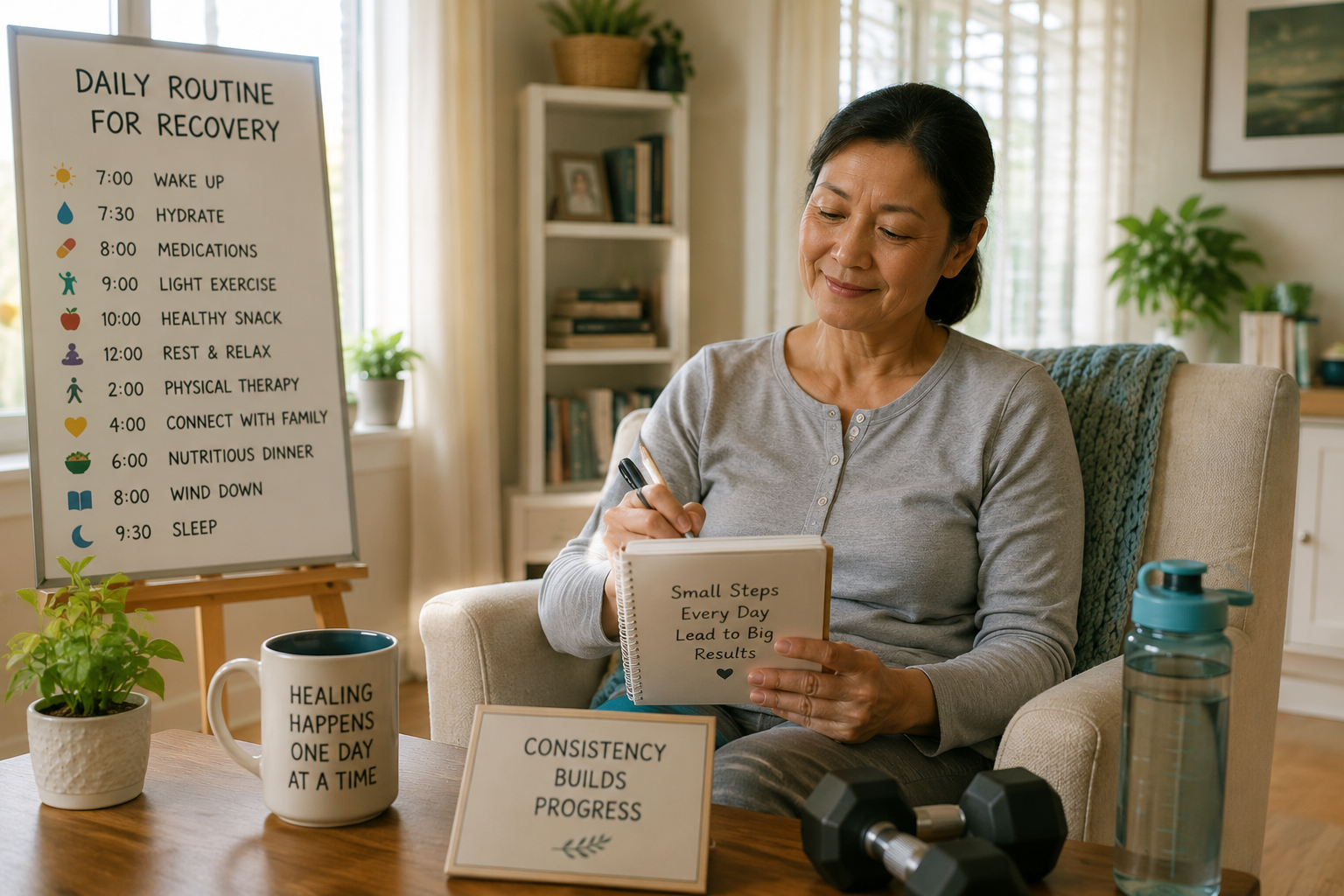
Recovering at home is not only about taking medications or attending therapy sessions. One of the most overlooked parts of healing is having a healthy and consistent daily routine. For many patients receiving home health care, small daily habits can create a sense of stability, improve emotional well-being, and support faster recovery. Inspired by the growing focus on patient-centered care and independence in home health services, routines can make everyday life feel more manageable and less overwhelming.
Why Routines Matter During Recovery
When someone is recovering from surgery, illness, or managing a chronic condition, their body and mind are adjusting to changes. A structured routine helps reduce stress because patients know what to expect throughout the day. This can be especially helpful for seniors or individuals dealing with anxiety, memory issues, or mobility challenges.
Simple routines such as waking up at the same time, eating balanced meals, doing light exercises, and following medication schedules can improve both physical and mental health. Consistency also helps caregivers and healthcare professionals monitor progress more effectively.
How Home Health Care Supports Healthy Habits
Home health professionals play a major role in helping patients build routines that match their needs and abilities. Nurses, therapists, and caregivers can guide patients through:
- Medication reminders and monitoring
- Safe mobility exercises
- Meal planning and hydration habits
- Sleep improvement strategies
- Daily hygiene and personal care
- Stress management techniques
These routines are not meant to feel restrictive. Instead, they provide patients with confidence and a greater sense of control over their recovery journey.
The Emotional Benefits of Structure
Recovery can sometimes feel isolating, especially for patients who spend most of their time at home. Daily routines create purpose and motivation. Even small accomplishments, like completing a short walk or preparing a meal, can boost self-esteem and emotional resilience.
Mental wellness is closely connected to physical healing. Studies and healthcare providers continue to emphasize the importance of addressing both emotional and physical needs together.
Simple Routine Ideas for Patients at Home
Patients do not need complicated schedules to see positive results. Here are a few simple routine ideas:
Morning
- Light stretching or breathing exercises
- Healthy breakfast
- Medication check
Afternoon
- Short walk or therapy exercises
- Hydration reminders
- Rest period
Evening
- Relaxing activities like reading or listening to music
- Preparing for the next day
- Consistent bedtime schedule
Over time, these small actions can help patients regain strength, independence, and confidence.
Creating a Recovery Environment That Feels Supportive
A calm and organized home environment also contributes to successful recovery. Keeping frequently used items within reach, reducing fall hazards, and maintaining open communication with healthcare providers can make daily life safer and more comfortable.
Family members and caregivers should also encourage patients without pressuring them. Recovery happens differently for everyone, and patience is an important part of the process.
Final Thoughts
Healing at home is about more than medical treatment. Daily routines provide structure, comfort, and emotional balance during recovery. With the support of home health care professionals and loved ones, patients can develop healthy habits that improve both their quality of life and long-term wellness. Sometimes, the smallest daily routines create the biggest impact on the road to recovery.