BLOG
-
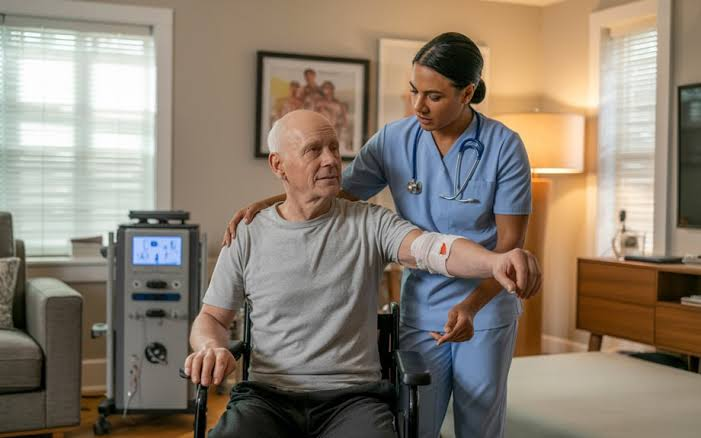
How Home Health Care Supports Patients After Stroke
A stroke can dramatically affect a person’s movement, communication, memory, emotions, and ability to perform everyday activities. Although rehabilitation often begins in the hospital or a rehabilitation facility, recovery continues long after a patient returns home. Home health care can provide personalized support that helps stroke survivors continue their recovery, maintain safety, and work toward…
-
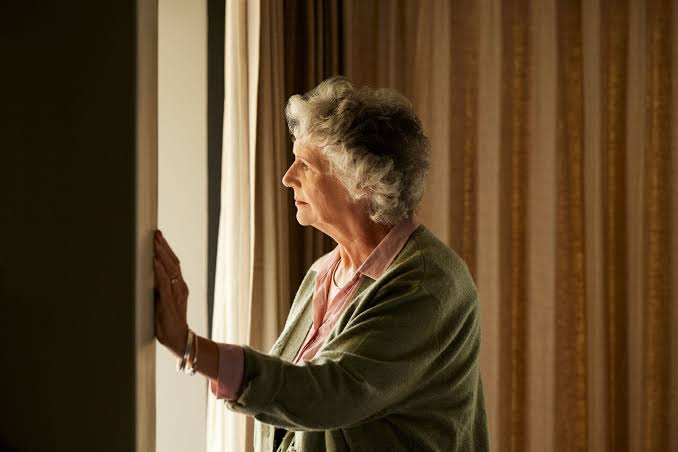
The Connection Between Senior Mental Health and Social Isolation
As people age, maintaining meaningful social connections becomes increasingly important. Retirement, the loss of loved ones, mobility challenges, and changes in living arrangements can sometimes reduce opportunities for regular interaction. When these changes lead to prolonged social isolation, they can have a significant effect on a senior’s mental and emotional well-being. Understanding the connection between…
-
How Home Health Care Supports Seniors in Their Daily Lives
As people age, everyday activities can sometimes become more challenging. Managing medications, preparing meals, moving safely around the home, and keeping up with personal care may require additional support. Home health care provides seniors with professional assistance while allowing them to remain in the comfort and familiarity of their own homes. What Is Home Health…
-
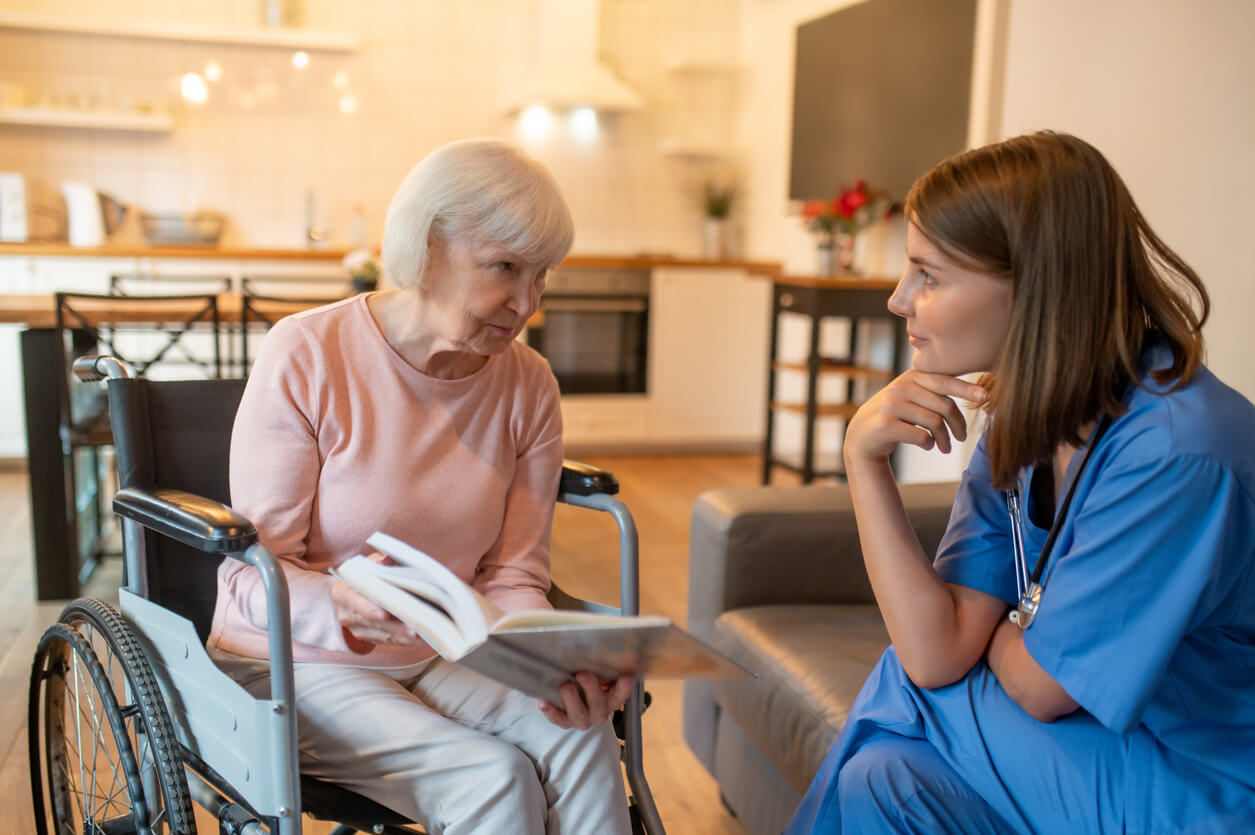
Understanding the Benefits of Skilled Nursing at Home
As people age or recover from illness, surgery, or injury, they may need medical support while continuing to live in the comfort of their own homes. Skilled nursing at home provides professional healthcare services that help patients manage their conditions, recover safely, and maintain greater independence. Unlike routine personal care, skilled nursing involves clinical services…
-

How Home Health Nurses Help Prevent Hospital Readmissions
Hospital stays can be stressful, especially for older adults and people recovering from surgery, illness, or chronic health conditions. After discharge, patients often need continued support to recover safely at home. Without proper follow-up care, complications can develop and may result in another hospital visit. Home health nurses play an important role in helping patients…
-

How Home Health Care Supports Patients After Surgery
Recovering from surgery can be challenging, especially during the first few days and weeks at home. Patients may experience pain, limited mobility, fatigue, medication changes, and difficulty completing everyday activities. Home health care can provide valuable support during this important stage of recovery while helping patients remain comfortable in familiar surroundings. 1. Helps Manage the…
-

Why Medication Management Matters for Seniors at Home
As people age, managing medications can become an important part of maintaining good health and independence. Many seniors take multiple prescription medications, over-the-counter medicines, vitamins, or supplements to manage chronic conditions and support their overall well-being. Without proper organization and monitoring, however, medication routines can become difficult and may lead to missed doses, accidental double…
-

Staying Active as You Age: Simple Ways to Support a Healthier, More Independent Life
Aging is a natural part of life, but getting older does not mean giving up an active lifestyle. Staying physically active can help older adults maintain strength, flexibility, balance, independence, and overall well-being. Even small amounts of regular movement can make a meaningful difference in everyday life. For seniors, the goal is not necessarily intense…
-

Your Loved One Needs Care—When Is Home Health the Right Choice?
When a loved one begins having difficulty managing their health at home, families may wonder what type of support they need. For some patients, home health care can provide professional medical services while allowing them to remain in the familiar surroundings of their own home. Understanding when home health may be appropriate can help families…
-
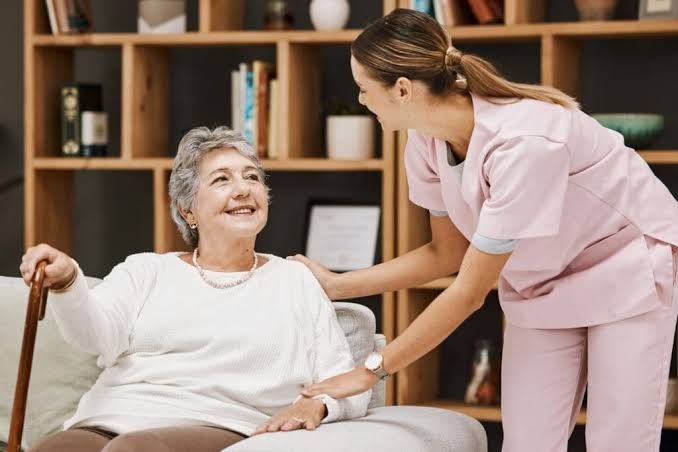
What to Look for in a Home Health Care Provider
Choosing a home health care provider is an important decision for seniors and their families. The right provider can help an older adult remain safe, comfortable, and independent while receiving personalized support in the familiar surroundings of home. With many home care options available, it can be difficult to know which provider is the best…