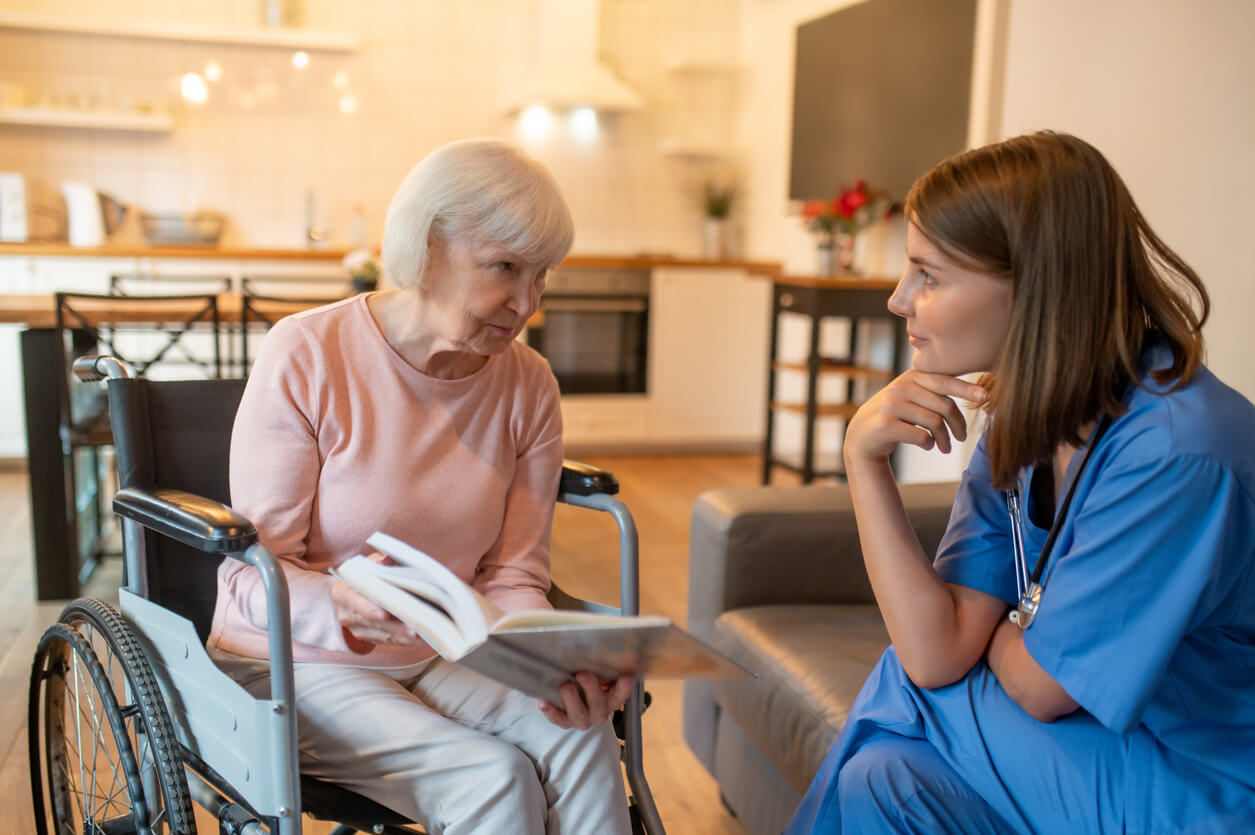
As people age or recover from illness, surgery, or injury, they may need medical support while continuing to live in the comfort of their own homes. Skilled nursing at home provides professional healthcare services that help patients manage their conditions, recover safely, and maintain greater independence.
Unlike routine personal care, skilled nursing involves clinical services provided by licensed nurses according to a patient’s healthcare needs and care plan.
What Is Skilled Nursing at Home?
Skilled nursing at home is healthcare provided by qualified nurses in a patient’s residence. Services may be recommended for individuals recovering from hospitalization, managing chronic conditions, or requiring ongoing medical monitoring.
Depending on the patient’s needs, skilled nursing may include medication management, wound care, monitoring vital signs, disease management, post-surgical care, and coordination with physicians and other healthcare professionals.
Key Benefits of Skilled Nursing at Home
1. Comfortable Care in a Familiar Environment
Receiving care at home allows patients to remain in a familiar setting surrounded by their personal belongings and routines. This can make the recovery process more comfortable and less disruptive.
For older adults, staying at home may also help preserve their sense of independence and dignity.
2. Personalized Healthcare
Every patient has different healthcare needs. Skilled nursing at home allows care to be tailored to the individual’s condition, recovery goals, medications, and daily routine.
Nurses can monitor changes in a patient’s health and communicate important observations to the appropriate healthcare providers.
3. Medication Management
Managing multiple medications can be challenging, particularly for older adults with several health conditions. Skilled nurses can help patients follow prescribed medication schedules and monitor for potential concerns or changes that should be reported to their healthcare provider.
Proper medication management can support safer care and reduce the risk of missed or incorrectly taken medications.
4. Support During Recovery
Patients recovering from surgery, illness, or injury may require professional monitoring and assistance after leaving the hospital. Skilled nurses can provide care according to the patient’s treatment plan while helping identify changes that may require medical attention.
This additional support can make the transition from hospital to home smoother.
5. Wound and Clinical Care
Certain wounds and medical conditions require professional nursing skills. Skilled nurses can provide appropriate wound care, monitor healing, and follow instructions from the patient’s healthcare team.
Professional monitoring can help identify potential complications early and ensure that care continues according to the prescribed plan.
6. Chronic Condition Management
People living with chronic health conditions may benefit from regular professional monitoring and education. Skilled nursing can help patients and families better understand care instructions and recognize changes in their condition.
This ongoing support can contribute to better day-to-day health management.
7. Greater Support for Family Caregivers
Family members often play an important role in supporting loved ones at home. However, they may not have the medical training needed to handle complex healthcare needs.
Skilled nurses provide professional clinical support while also educating family members about appropriate care techniques and warning signs to discuss with healthcare providers.
8. Better Communication With the Healthcare Team
Home health nurses can serve as an important link between patients, families, physicians, and other healthcare professionals. By observing the patient’s condition and communicating relevant information, nurses can help support continuity of care.
Who May Benefit From Skilled Nursing at Home?
Skilled nursing may be appropriate for individuals who need professional medical care at home, including:
- Older adults recovering after hospitalization
- Patients recovering from surgery or injury
- Individuals managing chronic health conditions
- Patients requiring wound care
- People who need medication-related support
- Individuals who require ongoing health monitoring
- Patients transitioning from hospital care to home
The specific services and frequency of visits depend on the patient’s medical needs and healthcare plan.
Skilled Nursing Can Help Patients Stay Safely at Home
Home-based skilled nursing combines professional healthcare with the comfort of familiar surroundings. For eligible patients, it can provide valuable support during recovery, help manage ongoing health needs, and give families greater confidence in their loved one’s care.
If you or a family member may benefit from skilled nursing services at home, speak with a healthcare professional or home health provider to determine what type of care may be appropriate.
Compass Carelink Home Health is committed to providing compassionate, professional support that helps individuals receive quality care while remaining in the comfort of home.
https://www.matrixcare.com/blog/what-is-skilled-nursing-care-at-home-and-why-should-snfs-embrace-it
Leave a Reply