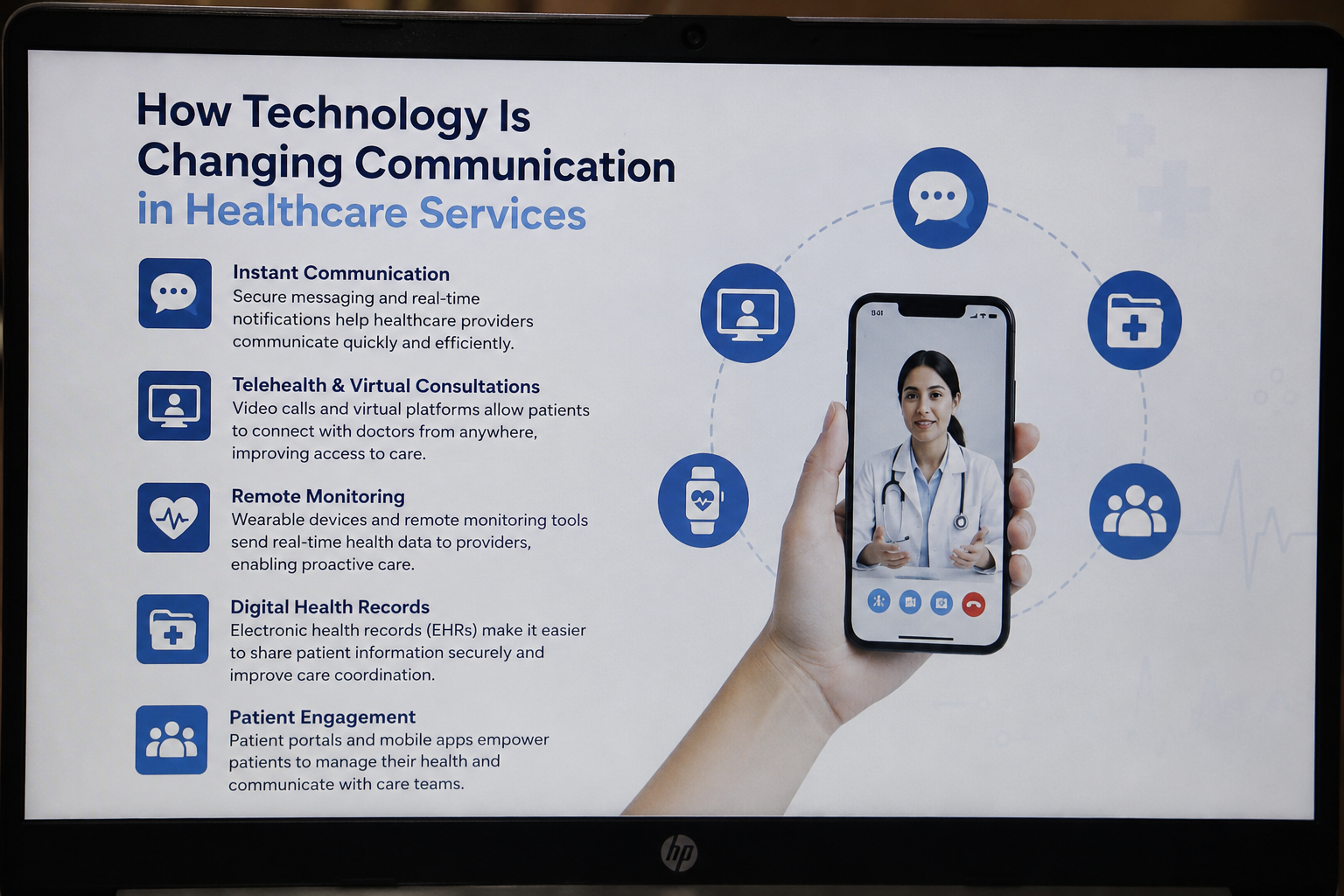
Technology continues to transform nearly every industry, and healthcare is no exception. From virtual consultations to digital scheduling systems, modern healthcare organizations are finding new ways to improve communication between providers, patients, and support teams.
While medical expertise remains the foundation of quality care, efficient communication has become equally important in delivering better healthcare experiences. As healthcare environments become busier and more fast-paced, technology is helping reduce delays, improve coordination, and make services more accessible for everyone involved.
Faster Access to Information
In the past, patients often had to wait longer for updates, paperwork, or appointment confirmations. Today, digital systems allow healthcare providers to share important information much faster.
Online platforms and healthcare management tools now help with:
- Appointment scheduling
- Digital patient records
- Medication reminders
- Real-time communication
- Care coordination between departments
These systems help reduce administrative delays and improve overall workflow efficiency.
Virtual Communication Is Expanding Access
Telehealth and virtual communication tools have also become more common in healthcare services. Patients can now connect with providers remotely for consultations, follow-ups, and wellness monitoring.
This has become especially beneficial for:
- Seniors with mobility challenges
- Patients in rural areas
- Busy families
- Individuals requiring frequent follow-ups
Virtual healthcare communication saves time while still allowing patients to receive guidance and support from healthcare professionals.
Better Coordination Among Healthcare Teams
Healthcare often involves multiple professionals working together—nurses, therapists, caregivers, physicians, and administrative staff. Technology helps these teams stay connected and informed.
Improved communication systems can help:
- Prevent scheduling conflicts
- Reduce misunderstandings
- Improve response times
- Increase accuracy in patient information
- Support smoother daily operations
When healthcare teams communicate efficiently, patient care becomes more organized and consistent.
Enhancing the Patient Experience
Patients today value convenience and accessibility. Digital communication tools help create a smoother and less stressful healthcare experience.
Features like:
- Text reminders
- Online forms
- Patient portals
- Secure messaging systems
allow patients to stay informed and engaged in their own care journey.
This also helps build trust and transparency between healthcare providers and patients.
The Human Side of Technology
Even as technology continues to grow, human connection remains one of the most important parts of healthcare. Digital tools are most effective when they support—not replace—compassionate care and personal interaction.
Healthcare organizations that successfully combine technology with empathy often create stronger patient relationships and more positive outcomes.
Looking Toward the Future
As healthcare technology continues to evolve, communication will remain a major focus in improving healthcare services. Organizations that embrace innovation while maintaining patient-centered care will be better prepared to meet the changing needs of modern healthcare environments.
Technology may streamline the process, but meaningful communication and compassionate support will always remain at the heart of quality healthcare.