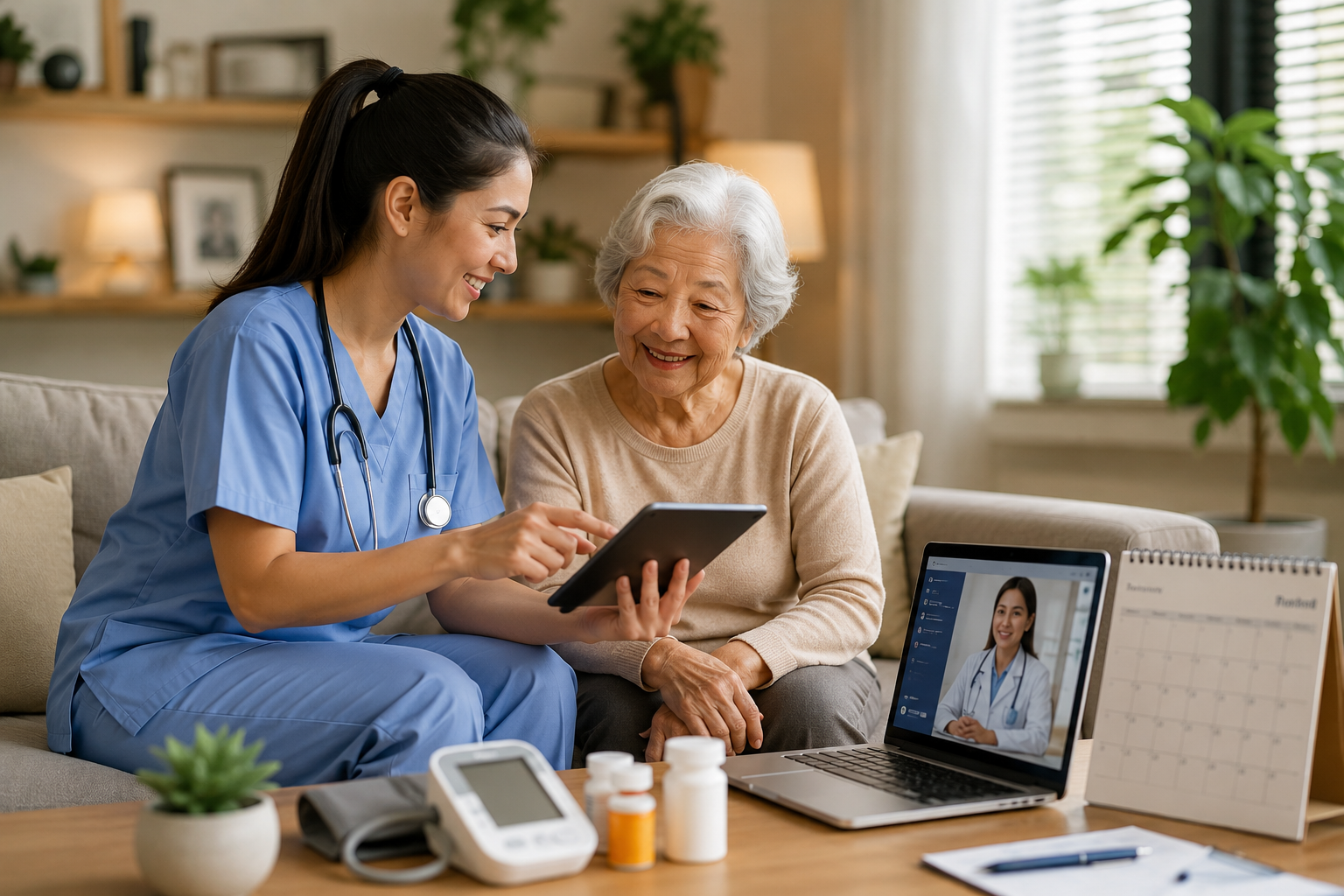
The Evolution of Home Care
Healthcare today is no longer limited to hospitals and clinics. As more families take on caregiving responsibilities at home, technology is becoming an important part of daily care. From scheduling appointments to monitoring health conditions, digital tools are helping families provide safer and more organized support for their loved ones.
In the past, caregivers often relied on handwritten notes, phone calls, and memory to manage medications, routines, and appointments. Today, tools like health tracking apps, virtual consultations, remote monitoring devices, and caregiver communication platforms make caregiving more connected and efficient.
The Rise of Connected Care
The growth of home healthcare services has increased the need for better communication between caregivers, healthcare professionals, and family members. Many healthcare providers now focus on coordinated care, ensuring that patients receive support while remaining comfortable in their own homes.
Digital systems now allow caregivers to:
- Track medications and schedules
- Monitor health conditions remotely
- Share updates with family members
- Communicate faster with healthcare providers
- Access virtual consultations when needed
These tools help improve both patient safety and overall caregiving efficiency.
How Remote Monitoring Helps Families
One of the biggest advancements in modern caregiving is remote health monitoring. Devices such as:
- Smart blood pressure monitors
- Wearable health trackers
- Medication reminder systems
- Emergency alert devices
allow caregivers to monitor important health information in real time.
This technology helps families detect possible concerns earlier and respond more quickly when assistance is needed.
Supporting Caregivers, Not Just Patients
Technology is also helping reduce stress for caregivers themselves. Managing home care can be emotionally and physically demanding, especially for family members balancing work and personal responsibilities.
Tools like:
- Online scheduling systems
- Shared digital care notes
- Video communication platforms
- Virtual caregiver support groups
help caregivers stay organized and connected while sharing responsibilities more effectively.
The Importance of Human Connection
Even with growing digital support, healthcare still depends heavily on human compassion. Technology can improve communication and organization, but emotional support, companionship, and personal interaction remain essential parts of quality care.
Modern caregiving is becoming a balance between:
- Digital convenience
- Medical support
- Emotional connection
- Personalized care
Healthcare providers increasingly focus not only on treatment, but also on improving a patient’s comfort, independence, and overall quality of life.
Looking Ahead
As healthcare continues evolving, technology will likely become an even bigger part of home caregiving. Families and healthcare providers are discovering that combining human care with digital tools can create safer, more flexible, and more supportive care environments.
The future of caregiving may not replace human connection — it may simply strengthen it.