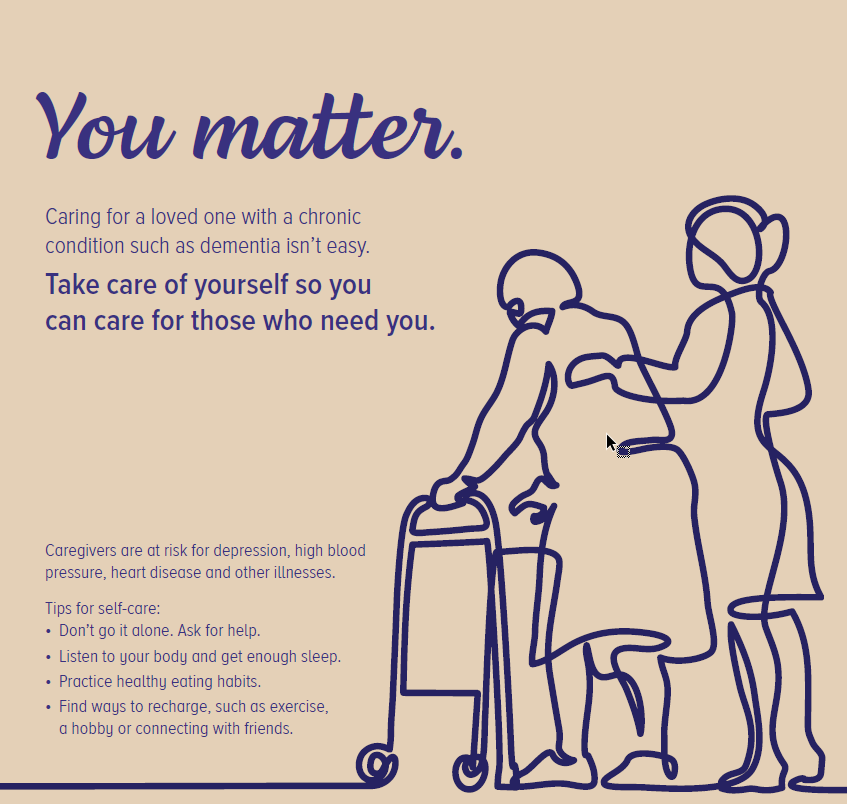
Caring for a loved one is one of the most meaningful acts a person can give. Whether supporting an aging parent, a child with special needs, or a family member recovering from illness, caregivers often dedicate their time and energy to ensuring others are comfortable and safe. But while they focus on everyone else, caregivers frequently neglect their own well-being.
The Hidden Challenges of Caregiving
Family caregivers juggle multiple responsibilities, from managing medications and appointments to providing emotional support and daily assistance. Over time, these demands can lead to physical exhaustion, stress, anxiety, and even burnout.
Recognizing these challenges is the first step toward maintaining both the caregiver’s health and the quality of care they provide.
Signs of Caregiver Burnout
Caregivers should pay attention to warning signs such as:
- Constant fatigue and lack of energy
- Difficulty sleeping
- Feeling overwhelmed or anxious
- Loss of interest in favorite activities
- Irritability or mood changes
- Neglecting personal health and self-care
Seeking help is not a sign of weakness—it is an important part of sustaining long-term caregiving.
Why Respite and Support Matter
Taking breaks and accepting assistance allow caregivers to recharge physically and emotionally. Support from healthcare professionals, family members, and community resources can make caregiving more manageable and less stressful.
Even small moments of rest can improve overall well-being and strengthen the ability to care for loved ones.
Building a Stronger Support System
No caregiver should feel alone. Open communication, shared responsibilities, and access to reliable resources can help families navigate the challenges of caregiving together.
Compassion for Those Who Give Compassion
At CompassCareLink, we understand that supporting caregivers is just as important as supporting those receiving care. By providing resources, guidance, and compassionate services, we help families create healthier and more sustainable caregiving journeys.
Because when caregivers are supported, everyone benefits.