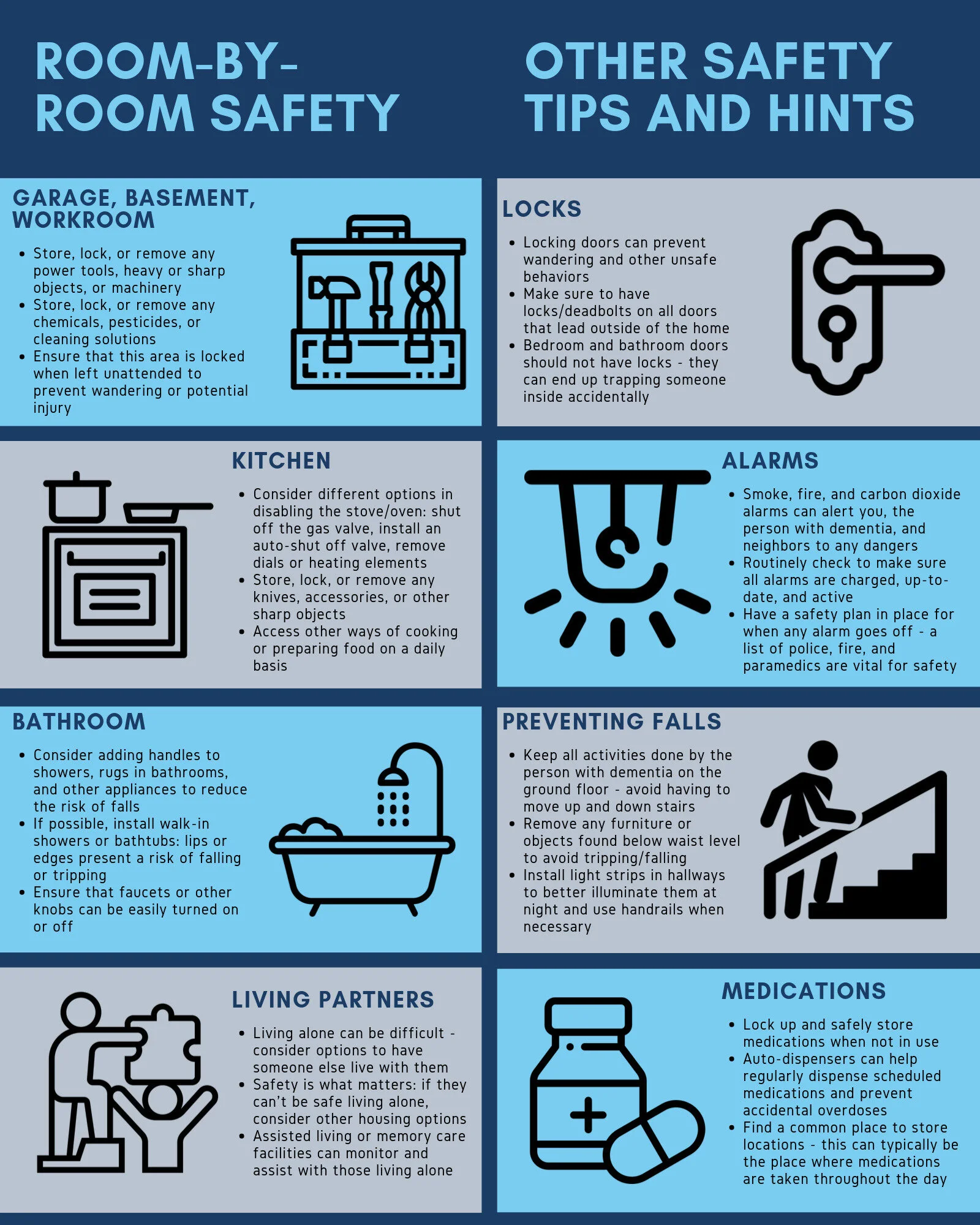
Home should be a place of comfort and security, but it can also present unexpected hazards—especially for older adults, individuals recovering from illness or surgery, and those living with chronic conditions. Understanding common home safety problems and taking preventive steps can significantly reduce the risk of injuries and support a healthier, more independent lifestyle.
1. Slips, Trips, and Falls
Falls are one of the leading causes of injury among older adults. Common hazards include loose rugs, wet floors, cluttered walkways, and poor lighting.
How to prevent it:
- Remove loose rugs or secure them with non-slip backing.
- Keep walkways free of clutter.
- Install grab bars in bathrooms.
- Use non-slip mats in showers and bathtubs.
- Ensure every room has adequate lighting.
2. Medication Errors
Taking the wrong medication or missing a dose can lead to serious health complications.
How to prevent it:
- Use a weekly pill organizer.
- Keep an updated medication list.
- Set reminders for medication times.
- Review medications regularly with your healthcare provider.
3. Fire Hazards
Unattended cooking, faulty electrical cords, and improperly used space heaters can increase the risk of house fires.
How to prevent it:
- Never leave cooking unattended.
- Replace damaged electrical cords.
- Keep flammable materials away from heat sources.
- Test smoke alarms monthly and replace batteries as needed.
4. Poor Lighting
Dim lighting can make it difficult to see obstacles, increasing the likelihood of falls.
How to prevent it:
- Install brighter light bulbs.
- Use nightlights in bedrooms, hallways, and bathrooms.
- Place light switches near entrances.
5. Bathroom Accidents
Bathrooms are one of the most common places for falls due to slippery surfaces.
How to prevent it:
- Install grab bars near the toilet and shower.
- Use a shower chair if recommended.
- Place non-slip mats on bathroom floors.
6. Infection Risks
Poor hand hygiene, improperly cleaned medical equipment, and neglected wounds can increase the risk of infection.
How to prevent it:
- Wash hands frequently with soap and water.
- Follow wound care instructions carefully.
- Clean medical equipment as directed.
- Monitor for signs of infection such as redness, swelling, or fever.
7. Emergency Preparedness
Many families are unprepared for medical emergencies or natural disasters.
How to prevent it:
- Keep emergency contact numbers easily accessible.
- Maintain a supply of essential medications.
- Prepare an emergency kit with water, food, flashlights, batteries, and first-aid supplies.
- Create a family emergency plan.
Creating a Safer Home
Many home safety risks can be prevented with simple changes and regular awareness. By making the home environment safer, families can reduce injuries, improve confidence, and help loved ones remain independent.
At CompassCareLink Home Health, our compassionate healthcare professionals work with patients and families to promote safety, recovery, and independence through personalized home health services. Together, we can help create a home environment where healing and wellness come first.