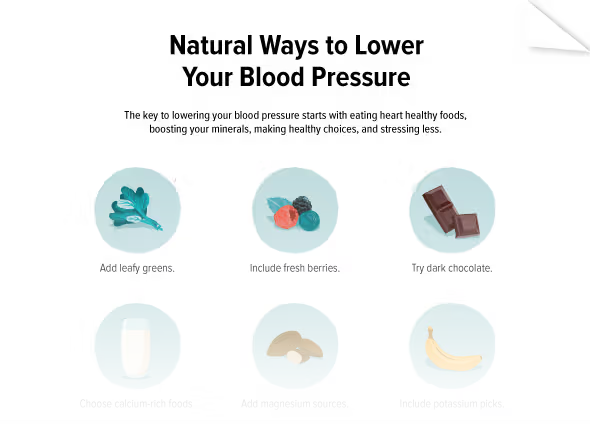
High blood pressure, also known as hypertension, is one of the most common chronic health conditions affecting adults, especially older adults. Often called the “silent killer,” high blood pressure may not cause noticeable symptoms, yet it can significantly increase the risk of heart disease, stroke, kidney disease, and other serious health complications if left unmanaged.
The good news is that with healthy lifestyle choices, regular medical care, and proper treatment, many people can successfully manage high blood pressure and enjoy healthier, more active lives.
What Is High Blood Pressure?
Blood pressure measures the force of blood pushing against the walls of your arteries as your heart pumps. When this pressure remains consistently higher than normal, it can place extra strain on your heart and blood vessels over time.
Many people with high blood pressure feel perfectly fine, which is why routine blood pressure checks are so important.
Common Risk Factors
Several factors can increase the likelihood of developing high blood pressure, including:
- Aging
- Family history of hypertension
- Being overweight or obese
- Physical inactivity
- Smoking or tobacco use
- Excessive alcohol consumption
- High sodium (salt) intake
- Chronic stress
- Diabetes and kidney disease
While some risk factors cannot be changed, many can be improved through healthy lifestyle habits.
Tips for Managing High Blood Pressure
Eat a Heart-Healthy Diet
Choose foods that support heart health, including:
- Fresh fruits and vegetables
- Whole grains
- Lean proteins such as fish and skinless poultry
- Low-fat dairy products
- Nuts, seeds, and legumes
Limit foods high in sodium, saturated fat, added sugars, and processed ingredients.
Stay Physically Active
Regular exercise helps strengthen the heart and improve circulation. Aim for at least 150 minutes of moderate physical activity each week, such as walking, swimming, cycling, or other activities approved by your healthcare provider.
Maintain a Healthy Weight
Even a modest amount of weight loss can help lower blood pressure and reduce the risk of related health conditions.
Take Medications as Prescribed
If your healthcare provider prescribes blood pressure medication, take it exactly as directed. Do not stop or change medications without consulting your provider.
Monitor Your Blood Pressure
Checking your blood pressure regularly helps you and your healthcare team understand how well your treatment plan is working. Home blood pressure monitors can make tracking your readings more convenient.
Reduce Stress
Chronic stress may contribute to elevated blood pressure. Relaxation techniques such as deep breathing, meditation, gentle stretching, reading, or spending time with loved ones can help support emotional well-being.
Avoid Smoking and Limit Alcohol
Smoking damages blood vessels and significantly increases the risk of heart disease and stroke. Limiting alcohol intake can also help maintain healthier blood pressure levels.
Why Regular Medical Care Matters
Routine checkups allow healthcare providers to monitor your blood pressure, adjust medications if needed, and identify potential complications early. Consistent medical care plays an important role in preventing serious cardiovascular problems.
How Home Health Care Can Help
Managing high blood pressure becomes easier with professional support, especially for older adults and individuals with chronic health conditions.
Home health services may include:
- Blood pressure monitoring
- Medication management and education
- Skilled nursing assessments
- Nutrition and healthy lifestyle guidance
- Chronic disease management
- Patient and family education
- Coordination with physicians and other healthcare providers
Receiving care at home helps patients stay on track with their treatment plans while remaining comfortable in familiar surroundings.
When to Seek Immediate Medical Attention
Seek emergency medical care immediately if high blood pressure is accompanied by:
- Severe chest pain
- Difficulty breathing
- Sudden weakness or numbness
- Trouble speaking
- Severe headache
- Vision changes
- Confusion or loss of consciousness
These symptoms may indicate a medical emergency such as a heart attack or stroke.
Conclusion
High blood pressure is a lifelong condition for many people, but it does not have to prevent you from living a healthy and fulfilling life. Through healthy eating, regular exercise, medication adherence, routine monitoring, and professional healthcare support, individuals can effectively manage hypertension and reduce the risk of serious complications.
At Compass CareLink and HomUnity Health Services, our compassionate team is dedicated to helping patients manage chronic conditions through personalized home health care. Together, we can support healthier hearts, greater independence, and improved quality of life—right in the comfort of home.