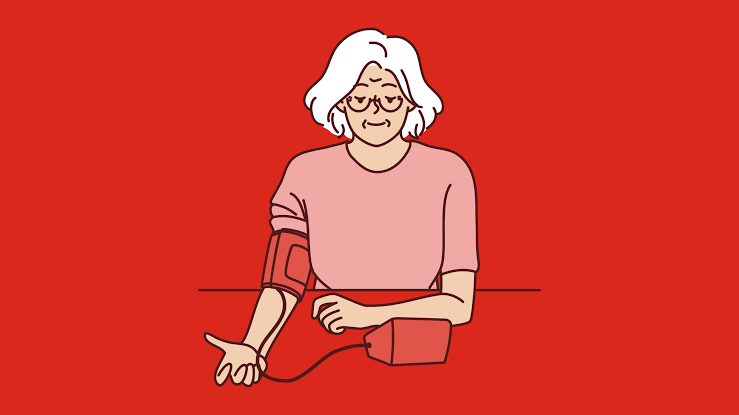
High blood pressure, also known as hypertension, is one of the most common health conditions affecting older adults. Often called a “silent condition” because it may not cause noticeable symptoms, high blood pressure can increase the risk of serious health problems if left unmanaged.
Understanding the causes, risks, and proper management of hypertension can help older adults maintain better health, prevent complications, and continue living independently.
What Is High Blood Pressure?
Blood pressure measures the force of blood pushing against the walls of the arteries as the heart pumps blood throughout the body.
When blood pressure remains consistently high, it can damage blood vessels and place extra stress on the heart and other organs.
Blood pressure is typically measured using two numbers:
- Systolic pressure: The pressure when the heart beats
- Diastolic pressure: The pressure when the heart rests between beats
Regular monitoring helps detect changes early and allows healthcare providers to recommend appropriate treatment.
Why Is High Blood Pressure Common in Older Adults?
As people age, natural changes in the body can increase the likelihood of developing hypertension. Arteries may become less flexible, making it harder for blood to flow efficiently.
Other factors that may contribute to high blood pressure include:
- Family history of hypertension
- Lack of physical activity
- Unhealthy eating habits
- High sodium intake
- Stress
- Smoking
- Excess alcohol consumption
- Being overweight
- Certain medications
- Chronic health conditions such as diabetes or kidney disease
Risks of Untreated High Blood Pressure
When high blood pressure is not properly controlled, it can increase the risk of serious health complications, including:
Heart Disease
Hypertension forces the heart to work harder, which may lead to heart enlargement, heart failure, or other cardiovascular problems.
Stroke
High blood pressure can damage blood vessels in the brain and increase the risk of stroke.
Kidney Problems
The kidneys rely on healthy blood vessels to function properly. Long-term hypertension can affect kidney health.
Vision Problems
Damaged blood vessels in the eyes may lead to vision changes or eye-related complications.
Cognitive Decline
Poorly controlled blood pressure may contribute to problems with memory and brain health over time.
Signs and Symptoms of High Blood Pressure
Many people with hypertension do not experience symptoms, which is why regular checkups are important.
When blood pressure becomes extremely high, some possible warning signs may include:
- Severe headache
- Chest pain
- Shortness of breath
- Dizziness
- Blurred vision
- Confusion
- Weakness or numbness
Seek medical attention if severe symptoms appear suddenly.
How Older Adults Can Manage High Blood Pressure
1. Monitor Blood Pressure Regularly
Checking blood pressure at home or during healthcare visits helps track changes and identify whether treatments are working.
2. Follow a Heart-Healthy Diet
A balanced diet can support healthy blood pressure levels. Focus on:
- Fruits and vegetables
- Whole grains
- Lean proteins
- Low-fat dairy products
- Foods low in sodium
Reducing processed foods and excess salt can help protect heart health.
3. Stay Physically Active
Regular movement helps strengthen the heart, improve circulation, and maintain healthy blood pressure.
Activities such as walking, stretching, swimming, and gentle exercises can benefit older adults when appropriate.
4. Take Medications as Prescribed
Some individuals need medication to control hypertension. Taking medications correctly and following healthcare provider instructions are essential for preventing complications.
5. Maintain a Healthy Lifestyle
Healthy habits can make a significant difference, including:
- Getting enough sleep
- Managing stress
- Avoiding smoking
- Limiting alcohol
- Maintaining a healthy weight
How Home Healthcare Supports Seniors With Hypertension
Managing high blood pressure can become challenging, especially for older adults with multiple health conditions.
Home healthcare services can provide valuable support through:
- Blood pressure monitoring
- Medication management
- Health education
- Assistance with daily routines
- Coordination with healthcare providers
- Support for lifestyle changes
Skilled nurses and caregivers help ensure that seniors receive consistent care while remaining safe and comfortable at home.
When to Seek Professional Help
Older adults should contact a healthcare provider if they experience:
- Consistently high blood pressure readings
- New or worsening symptoms
- Difficulty managing medications
- Changes in overall health condition
Early intervention can help prevent complications and improve long-term health outcomes.
Final Thoughts
High blood pressure is common among older adults, but it can often be managed with proper care, healthy lifestyle choices, and regular medical support. Understanding the causes and risks of hypertension empowers seniors and families to take action toward better health.
With personalized care, monitoring, and support from healthcare professionals, older adults can manage high blood pressure while maintaining independence and quality of life.
At Compass Carelink Home Health, we provide compassionate healthcare support designed to help seniors manage chronic conditions and receive quality care in the comfort of their own homes.
https://www.mayoclinic.org/diseases-conditions/high-blood-pressure/symptoms-causes/syc-20373410