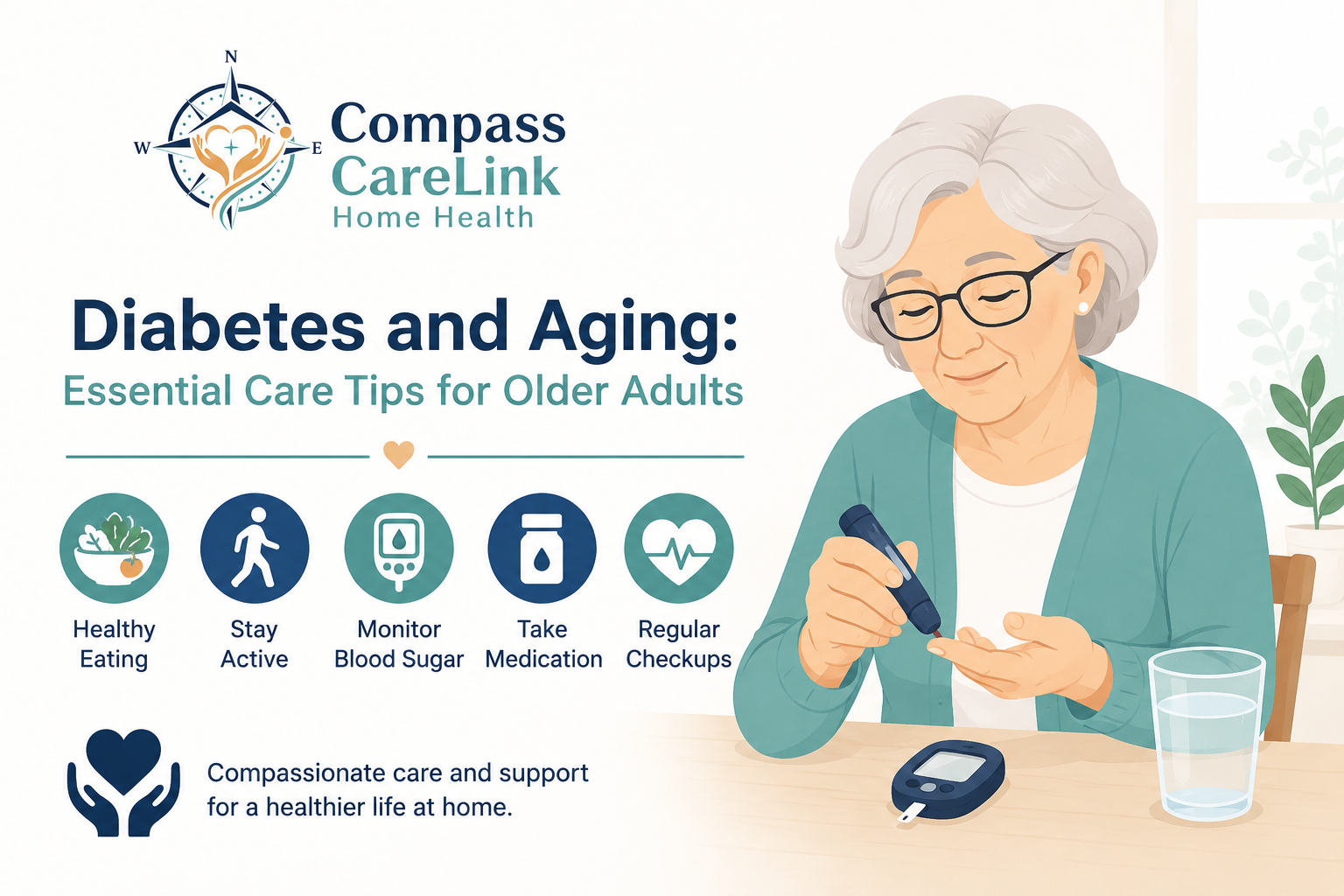
Diabetes is a common chronic condition that requires ongoing attention, especially as people age. With the right care, healthy habits, and support from healthcare professionals and family members, older adults with diabetes can maintain their health, independence, and quality of life.
Understanding Diabetes in Older Adults
As we age, managing diabetes can become more challenging. Older adults may also be managing other health conditions, taking multiple medications, or experiencing changes in mobility, vision, memory, or appetite.
These factors can make it important to have a consistent and personalized approach to diabetes management.
Essential Diabetes Care Tips for Seniors
1. Monitor Blood Sugar as Recommended
Regular blood sugar monitoring can help seniors and their healthcare providers understand how well their diabetes management plan is working. Follow the monitoring schedule recommended by a healthcare professional and report unusual readings or symptoms.
2. Follow a Balanced Diet
Nutritious meals can play an important role in diabetes management. Older adults should focus on balanced meals that include vegetables, lean proteins, whole grains, and appropriate portions of carbohydrates.
A healthcare professional or registered dietitian can provide individualized nutrition recommendations.
3. Stay Physically Active
Regular physical activity can support blood sugar management, mobility, strength, and overall well-being. Activities such as walking, stretching, or other exercises appropriate for the individual’s abilities can be beneficial.
Older adults should discuss new exercise routines with their healthcare provider, particularly if they have other health conditions or mobility concerns.
4. Take Medications as Prescribed
Some seniors may take several medications each day. Taking diabetes medications exactly as prescribed can help support better management.
Caregivers and family members can help seniors organize medications and maintain consistent routines when appropriate. Medication changes should always be discussed with a healthcare professional.
5. Stay Hydrated
Drinking enough fluids is important for overall health. Seniors may be more vulnerable to dehydration, particularly during hot weather or when they are unwell.
Encouraging regular fluid intake can be part of a healthy daily routine unless a healthcare provider has recommended fluid restrictions.
6. Pay Attention to Foot Health
Diabetes can increase the risk of foot problems. Seniors should check their feet regularly for cuts, blisters, redness, swelling, or other changes and discuss concerns with their healthcare provider.
Proper footwear and routine foot care can also help protect foot health.
7. Keep Regular Medical Appointments
Regular healthcare visits allow professionals to monitor diabetes and address potential complications. Routine eye, kidney, cardiovascular, and foot health evaluations may also be recommended depending on an individual’s needs.
How Home Health Care Can Help
Managing diabetes can sometimes be difficult for older adults who need assistance with daily activities. Home health care can provide support while allowing seniors to remain in a familiar environment.
Depending on the individual’s care plan and healthcare needs, professional caregivers and healthcare providers may assist with daily routines, health monitoring, mobility, nutrition-related needs, and other activities that support overall well-being.
Supporting Independence and Quality of Life
Diabetes management is not only about blood sugar numbers. It is also about helping older adults remain active, comfortable, and independent while enjoying their daily lives.
With appropriate medical guidance, healthy lifestyle choices, regular monitoring, and compassionate support, seniors can take meaningful steps toward managing diabetes and protecting their overall health.
CompassCareLink Home Health is committed to supporting individuals and families with compassionate, personalized care in the comfort of home.