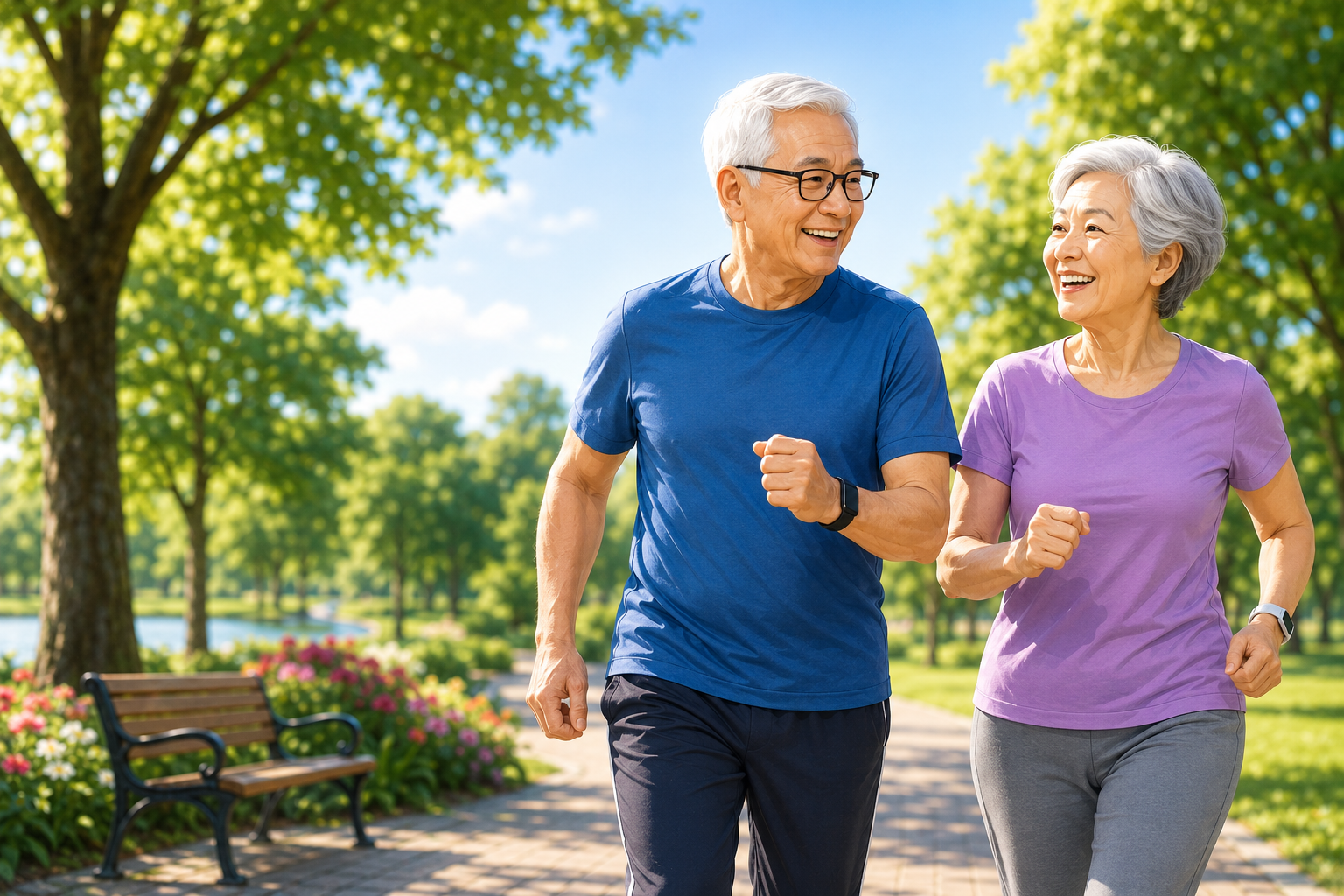
Aging is a natural part of life, but getting older does not mean giving up an active lifestyle. Staying physically active can help older adults maintain strength, independence, confidence, and overall well-being. Even simple activities such as walking, stretching, gardening, or doing light household tasks can make a meaningful difference.
The Importance of Staying Active
Regular physical activity helps older adults keep their muscles and joints moving. As people age, inactivity can contribute to muscle weakness, stiffness, and reduced mobility. Staying active can help maintain physical function and make everyday activities—such as walking, climbing stairs, preparing meals, and getting dressed—easier.
Being active can also support balance and coordination. Activities that involve gentle strength and balance exercises may help older adults feel more stable while moving around.
Physical Benefits of Activity
Regular movement can provide many benefits, including:
- Supporting muscle strength and flexibility
- Helping maintain healthy bones and joints
- Improving balance and coordination
- Supporting heart and lung health
- Helping with healthy weight management
- Maintaining mobility and independence
- Supporting better sleep and energy levels
Older adults do not need to participate in intense workouts to experience these benefits. Consistent, appropriate movement is often more important than intensity.
Staying Active Supports Mental Well-Being
Physical activity is not only beneficial for the body. Movement can also support emotional and mental well-being. Taking a walk outdoors, participating in a favorite activity, or exercising with friends can provide opportunities for social interaction and enjoyment.
Having regular activities to look forward to can also help older adults maintain a sense of purpose and routine.
Simple Ways to Stay Active
Staying active can be incorporated into everyday life. Depending on an individual’s abilities and interests, older adults might try:
- Taking short walks around the home or neighborhood
- Performing gentle stretching exercises
- Gardening or caring for plants
- Dancing to favorite music
- Doing light household chores
- Participating in chair exercises
- Practicing appropriate balance exercises
- Joining senior-friendly exercise or community activities
The goal is to find activities that are enjoyable, manageable, and appropriate for the individual’s abilities.
Safety Comes First
Every older adult has different physical abilities and needs. Before beginning a new exercise routine, it is important to consider existing limitations and follow guidance from a healthcare professional when appropriate.
Activities should be performed at a comfortable pace, with proper hydration and a safe environment. If an activity causes unusual pain, dizziness, or significant discomfort, it should be stopped and evaluated appropriately.
Encouraging Independence Through Movement
One of the greatest benefits of staying active is supporting independence. Maintaining physical abilities can make it easier for older adults to participate in daily routines and continue doing the activities they enjoy.
For families and caregivers, encouraging movement can be as simple as taking a walk together, helping with light gardening, or making daily activities more engaging. Positive encouragement can make physical activity feel less like a chore and more like an enjoyable part of the day.
Conclusion
Staying active is an important part of healthy aging. Older adults can benefit from regular movement in many ways, from maintaining strength and mobility to supporting social connection and emotional well-being.
The key is to keep moving safely and consistently. Whether it is a short walk, gentle stretching, gardening, or another favorite activity, every bit of movement can contribute to a more active and healthy lifestyle.
https://www.cdc.gov/physical-activity-basics/health-benefits/older-adults.html
Leave a Reply