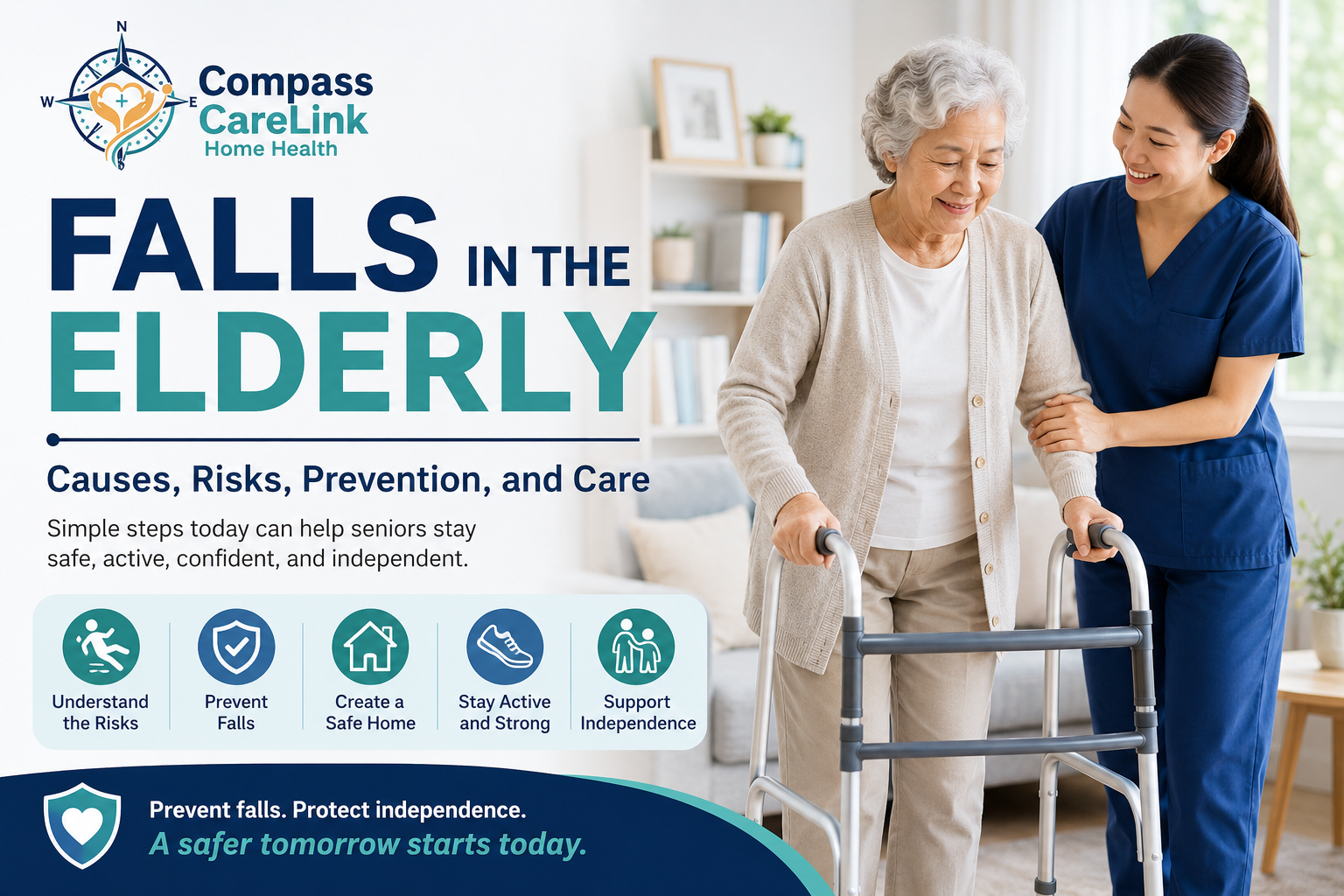
Falls are one of the most common safety concerns among older adults. A simple fall can result in bruises, fractures, head injuries, loss of confidence, and a longer recovery period. For some seniors, a fall may also lead to reduced independence and a greater need for assistance with everyday activities.
Understanding why falls happen and taking preventive steps can help older adults remain safe, active, and independent.
Why Are Falls Common Among Older Adults?
As people age, changes in strength, balance, vision, and coordination can increase the risk of falling. Certain medications and health conditions may also contribute to instability.
Common risk factors include:
- Muscle weakness: Reduced strength in the legs can make standing and walking more difficult.
- Balance problems: Changes in balance and coordination may increase the likelihood of losing stability.
- Vision changes: Poor vision can make it harder to see obstacles, uneven surfaces, or changes in floor levels.
- Medication side effects: Some medications may cause dizziness, drowsiness, or changes in blood pressure.
- Unsafe surroundings: Loose rugs, clutter, poor lighting, slippery floors, and stairs can create hazards.
- Improper footwear: Shoes that do not fit properly or provide adequate support can make walking less stable.
- Previous falls: Someone who has fallen before may have a higher risk of falling again.
Why Falls Can Be Serious
Falls can affect more than a senior’s physical health. A serious fall may cause fractures, head injuries, or other complications that require medical attention.
Fear of falling can also have a major impact. Some older adults become less active because they are afraid of falling again. Reduced activity can lead to further muscle weakness and decreased mobility, potentially increasing fall risk.
A fall may also affect a person’s confidence and independence. Tasks that were once easy, such as bathing, preparing meals, or walking around the home, may become more challenging.
How to Help Prevent Falls
Fall prevention starts with identifying potential risks and making practical changes.
1. Keep the Home Safe
Remove clutter from walkways and secure loose rugs. Make sure hallways, bedrooms, bathrooms, and stairways have adequate lighting. Handrails and grab bars can provide additional support where needed.
2. Encourage Safe Physical Activity
Appropriate exercises can help older adults maintain strength, flexibility, balance, and mobility. Activities should be selected according to the individual’s abilities and safety needs.
3. Review Medications
Older adults should regularly discuss their medications with a healthcare professional, especially if they experience dizziness, weakness, or unusual drowsiness.
4. Schedule Regular Vision and Hearing Checks
Good vision and hearing can help seniors recognize obstacles and stay aware of their surroundings.
5. Wear Supportive Footwear
Comfortable, properly fitting shoes with good traction can provide better stability than loose slippers or worn-out footwear.
6. Use Mobility Aids Correctly
Canes, walkers, and other mobility devices can provide valuable support when properly fitted and used. A healthcare professional can help determine whether a mobility aid is appropriate.
What to Do After a Fall
If an older adult falls, avoid immediately pulling them up. Check for signs of serious injury and seek medical assistance when necessary.
Emergency medical attention may be needed when there is severe pain, loss of consciousness, confusion, difficulty breathing, significant bleeding, or a suspected head, neck, or hip injury.
Even when there appears to be no serious injury, it is important to understand why the fall happened. A healthcare professional can help identify factors that may increase the risk of another fall.
The Importance of Support for Seniors
Preventing falls is not only about changing the home environment. Older adults may also benefit from regular assistance with activities such as walking, bathing, meal preparation, medication routines, and household tasks.
Family members and professional caregivers can provide supervision and encouragement while helping seniors maintain as much independence as possible.
Conclusion
Falls among older adults should be taken seriously, but many fall risks can be reduced through proper planning, regular health assessments, physical activity, safe footwear, and a safer home environment.
With the right support and preventive measures, seniors can remain active, confident, and independent while reducing the risk of falls and fall-related injuries.
Leave a Reply