BLOG
-

Signs Your Loved One May Need Home Healthcare
As our loved ones age or recover from illness, there may come a time when they need additional support to maintain their health, comfort, and independence at home. Recognizing the early signs can help families make informed decisions and ensure their loved ones receive the care they deserve. Difficulty Managing Daily Activities Simple daily tasks…
-
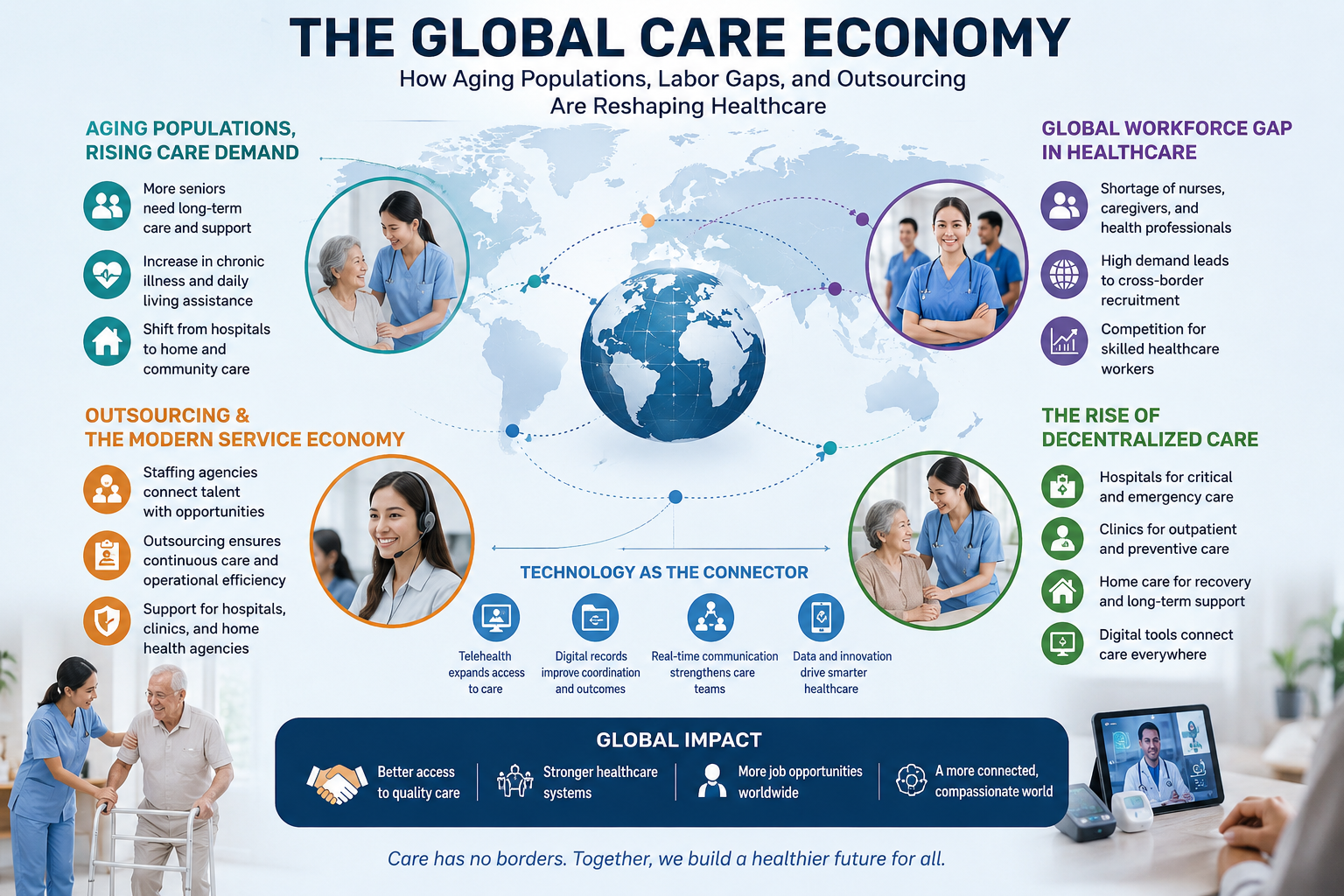
The Global Care Economy: How Aging Populations, Labor Gaps, and Outsourcing Are Reshaping Healthcare
Across the world, healthcare is no longer just a medical system—it is becoming part of a much larger global care economy shaped by demographics, workforce movement, and economic pressure. Countries are facing a shared challenge: more people need care, but fewer workers are available to provide it locally. 👵 Aging Populations and Rising Care Demand…
-
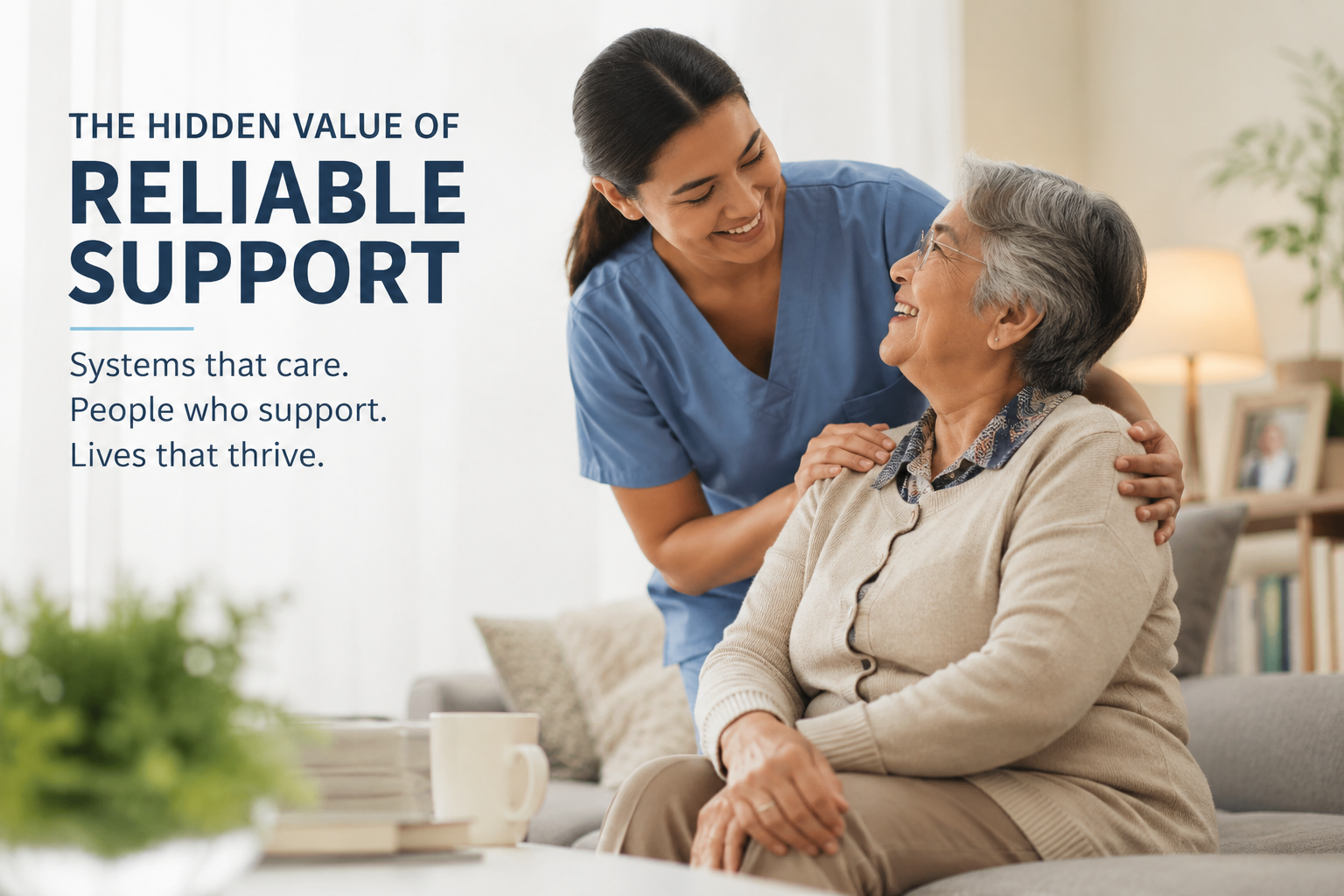
The Hidden Value of Reliable Support Systems in Everyday Life
In both personal life and professional environments, success is rarely achieved alone. Behind every smooth-running system—whether in healthcare, business, or home services—there is always one key factor: reliable support. Support systems may not always be visible, but they play a major role in keeping things stable, organized, and efficient. 🧩 Why Support Matters More Than…
-
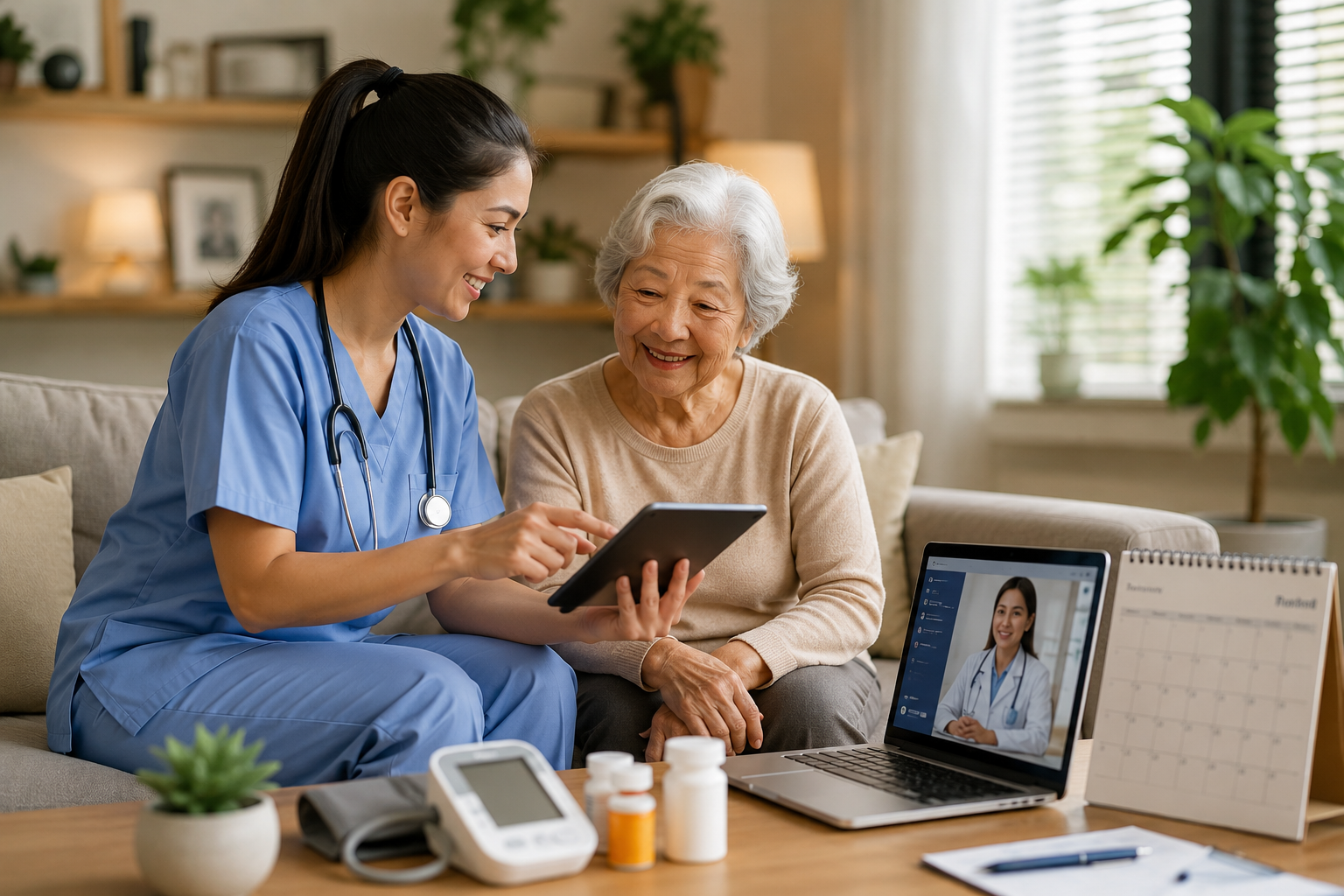
How Technology Is Quietly Changing the Way Families Care for Loved Ones
The Evolution of Home Care Healthcare today is no longer limited to hospitals and clinics. As more families take on caregiving responsibilities at home, technology is becoming an important part of daily care. From scheduling appointments to monitoring health conditions, digital tools are helping families provide safer and more organized support for their loved ones.…
-
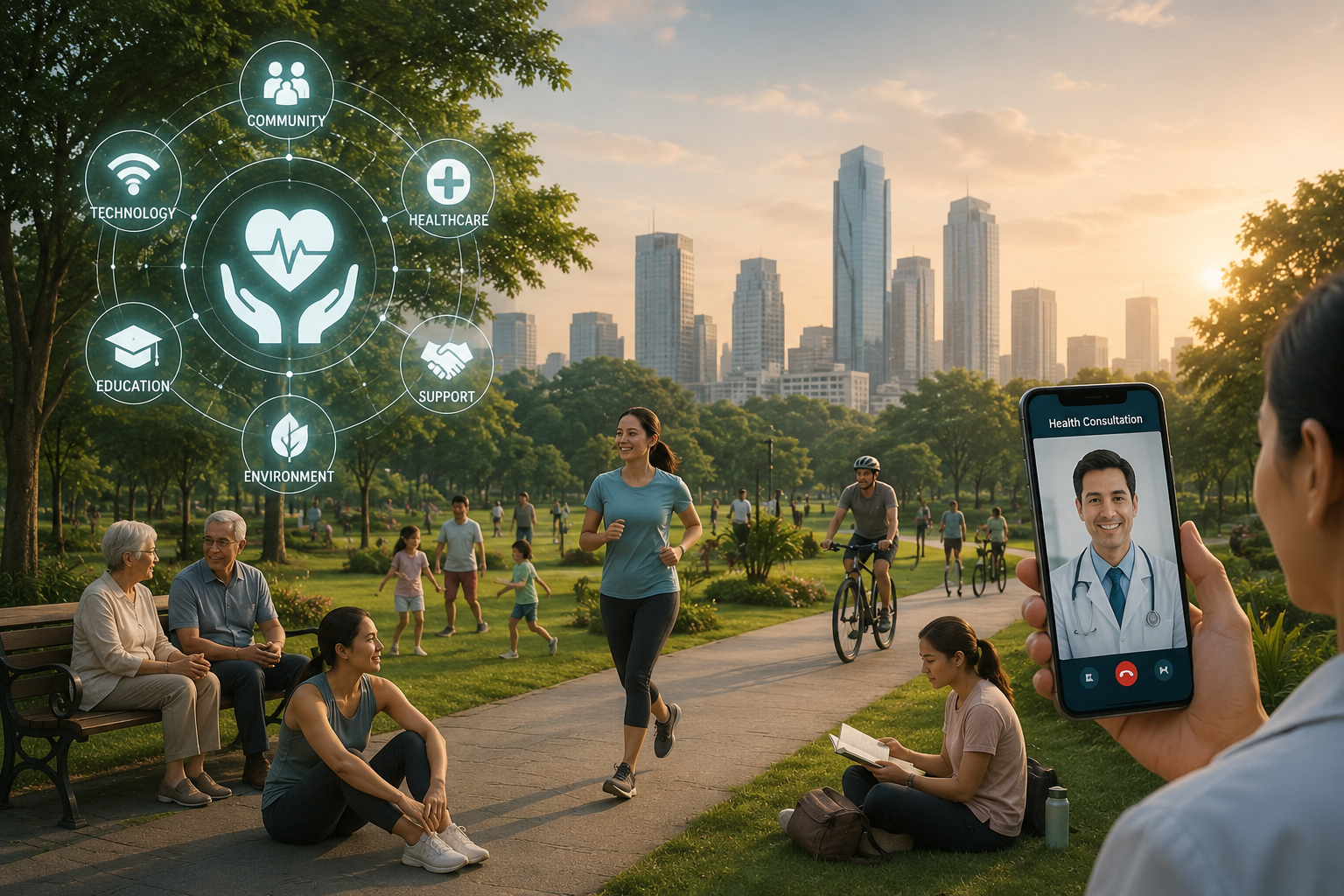
“From Care to Systems: How Communities, Technology, and Modern Structures Shape Human Well-Being”
In today’s world, well-being is no longer shaped by healthcare alone. It is influenced by a much larger system—one that includes communities, technology, education, work environments, and even digital platforms. Instead of focusing only on treatment or caregiving, modern society is slowly shifting toward a bigger question: “How do we build systems that help people…
-
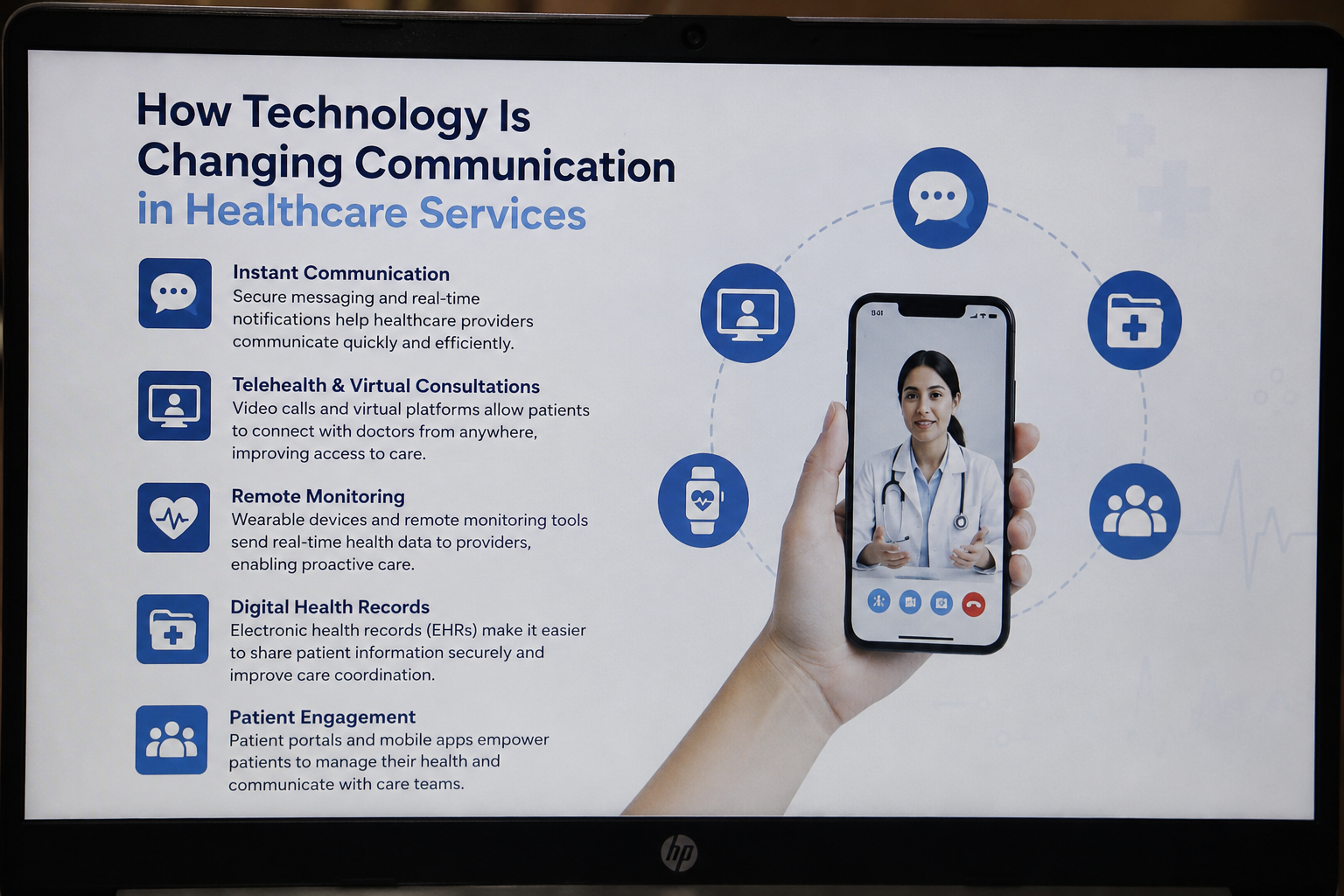
How Technology Is Changing Communication in Healthcare Services
Technology continues to transform nearly every industry, and healthcare is no exception. From virtual consultations to digital scheduling systems, modern healthcare organizations are finding new ways to improve communication between providers, patients, and support teams. While medical expertise remains the foundation of quality care, efficient communication has become equally important in delivering better healthcare experiences.…
-

Regaining Independence: How Home-Based Support Transforms Daily Life
Recovery and wellness don’t only happen in hospitals or clinics — they happen in the spaces where people live, rest, and feel most comfortable. Home-based support empowers individuals to maintain independence, confidence, and control over their daily lives, even while managing health challenges. Personalized Care in the Comfort of Home Everyone’s needs are different. Tailored…
-
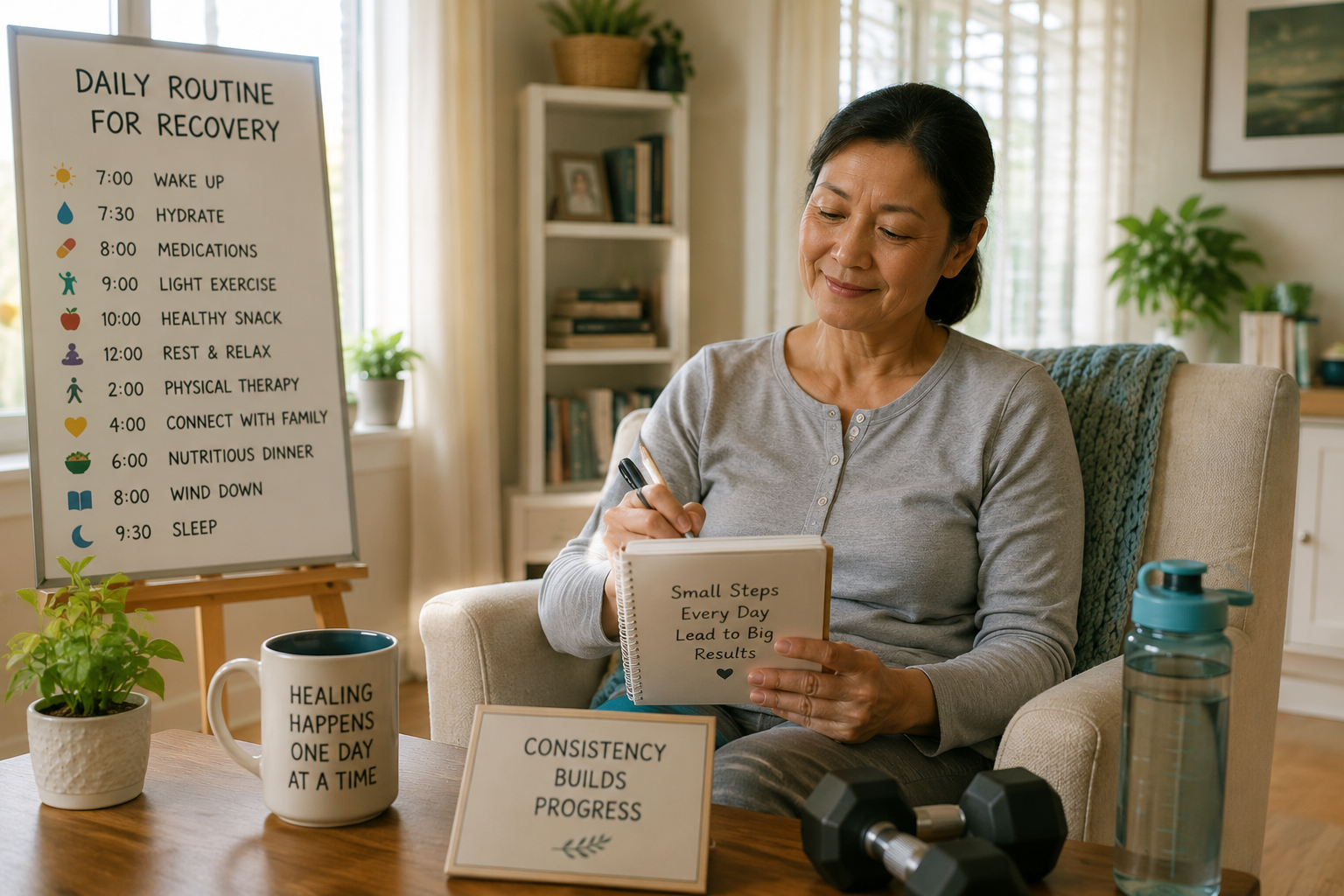
The Power of Daily Routines in Home Health Recovery
Recovering at home is not only about taking medications or attending therapy sessions. One of the most overlooked parts of healing is having a healthy and consistent daily routine. For many patients receiving home health care, small daily habits can create a sense of stability, improve emotional well-being, and support faster recovery. Inspired by the…
-
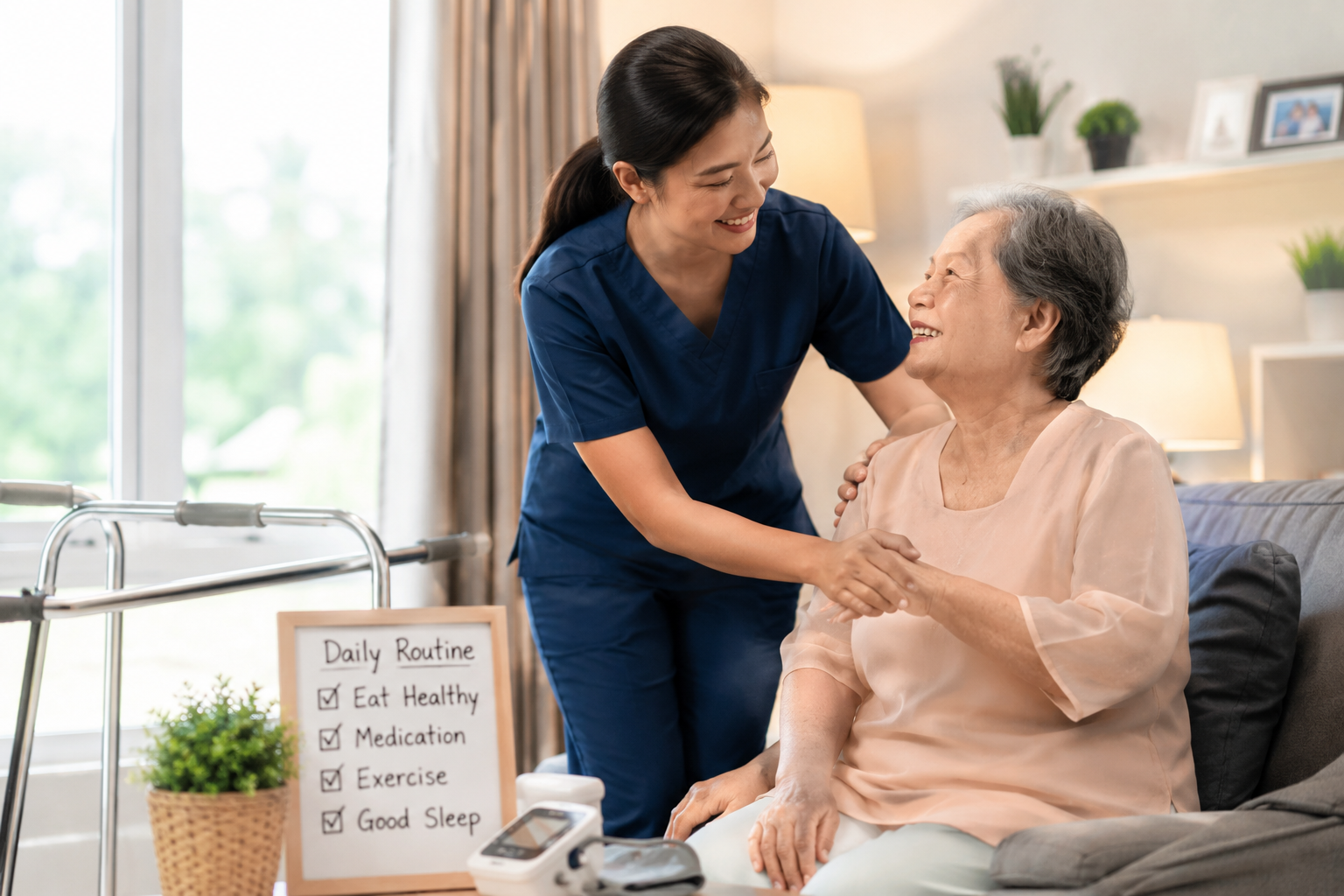
The Importance of Building Strong Daily Routines for Better Health and Recovery
Daily routines may seem simple, but they play a major role in maintaining both physical and emotional well-being. For individuals recovering from illness, injury, surgery, or managing long-term health conditions, having a structured daily routine can provide stability, comfort, and better overall health outcomes. In today’s fast-paced world, many people struggle to maintain healthy habits.…
-
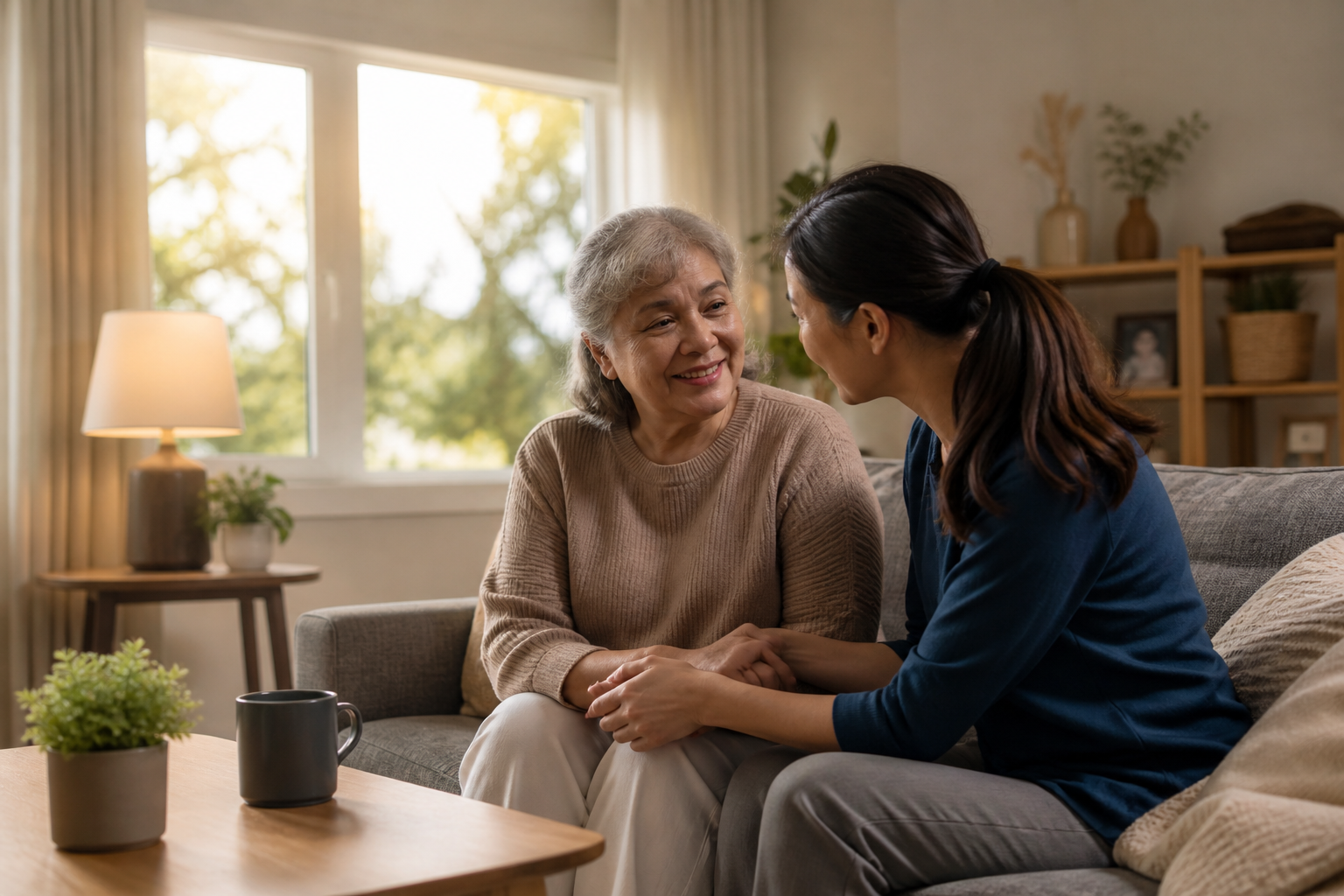
The Value of Presence: Why Showing Up Still Matters in a Busy World
The Problem: A World That Feels Connected but Emotionally Distant In today’s digital and fast-moving society, people are more “connected” than ever before. With smartphones, social media, and instant messaging, communication is available at any time and from anywhere. On the surface, this should mean stronger relationships and closer communities. However, the reality is often…