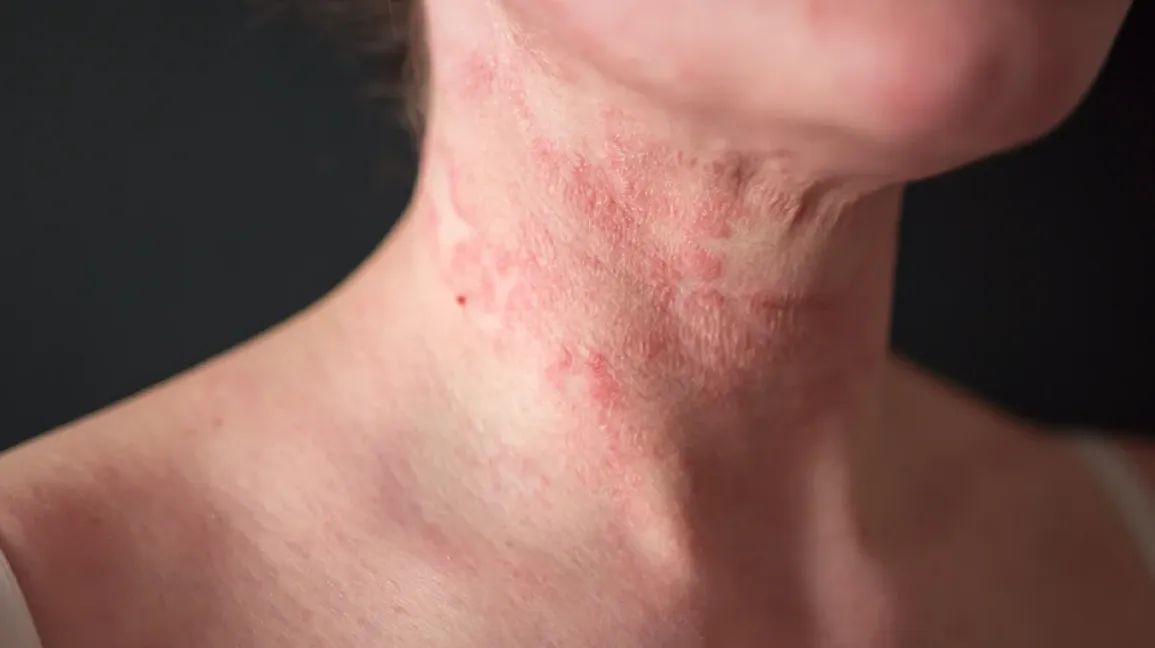
As people age, their skin naturally becomes thinner, drier, and more sensitive. These changes can make older adults more vulnerable to a variety of skin conditions. Some skin problems are mild and manageable, while others may require medical attention.
Understanding common skin diseases in older adults can help seniors, families, and caregivers recognize warning signs early and take steps to support healthy skin.
Why Are Older Adults More Prone to Skin Problems?
Aging causes several natural changes to the skin. Older skin generally produces less oil and loses some of its ability to retain moisture. Blood circulation may also decrease, and the skin can become more fragile.
These changes can contribute to dryness, irritation, bruising, infections, and slower healing of wounds. Certain medications and chronic health conditions may also affect skin health.
Common Skin Diseases in Older Adults
1. Dry Skin
Dry skin, also known as xerosis, is one of the most common skin concerns among older adults.
Common symptoms include:
- Flaking or peeling
- Itching
- Rough or tight-feeling skin
- Small cracks
- Redness or irritation
Regular moisturizing, gentle bathing, and avoiding very hot water can help reduce dryness.
2. Eczema
Eczema causes dry, irritated, and itchy skin. In older adults, it can appear on different areas of the body and may become worse when the skin is extremely dry.
Treatment may include moisturizers, avoiding known irritants, and medications recommended by a healthcare professional.
3. Psoriasis
Psoriasis is a chronic condition that causes skin cells to build up rapidly, creating thick, scaly patches.
Symptoms can include:
- Red or inflamed patches
- Silvery scales
- Itching or discomfort
- Cracked or bleeding skin
Because psoriasis can vary in severity, older adults should work with their healthcare provider to develop an appropriate treatment plan.
4. Fungal Skin Infections
Older adults may develop fungal infections, particularly in warm and moist areas of the body.
Symptoms can include redness, itching, peeling, or a rash. Keeping the skin clean and dry can help reduce the risk of infection, but persistent symptoms should be evaluated by a healthcare professional.
5. Shingles
Shingles is caused by reactivation of the virus that causes chickenpox. The risk of developing shingles increases with age.
It commonly causes a painful rash that may appear as clusters of blisters, usually on one side of the body.
Early medical evaluation is important because treatment is most effective when started soon after symptoms appear.
6. Pressure Injuries
Older adults who have limited mobility may be at increased risk of pressure injuries, sometimes called bedsores. These injuries can develop when prolonged pressure reduces blood flow to an area of skin.
Common locations include the hips, heels, tailbone, and elbows.
Regular repositioning, proper nutrition, skin checks, and appropriate support surfaces can help prevent pressure injuries.
7. Skin Cancer
Skin cancer is an important concern for older adults, particularly those with significant lifetime sun exposure.
Watch for changes in moles or spots, including changes in size, shape, color, or appearance, as well as sores that do not heal.
Any suspicious or changing skin lesion should be evaluated by a qualified healthcare professional.
When Should Older Adults See a Doctor?
Not every rash or skin change is an emergency, but certain symptoms should not be ignored.
Seek medical advice for:
- A wound that does not heal
- Rapidly changing or unusual skin growths
- Severe or persistent itching
- Painful or spreading rashes
- Signs of infection, such as increasing redness, warmth, swelling, or drainage
- Blisters accompanied by significant pain
- Skin changes that suddenly appear or worsen
If an older adult has diabetes, poor circulation, limited mobility, or another condition that affects healing, even a minor skin problem may deserve prompt attention.
Tips for Maintaining Healthy Skin as You Age
Good daily skin care can help protect the skin and reduce irritation.
Helpful habits include:
- Use a gentle, fragrance-free cleanser.
- Take shorter baths or showers with warm rather than very hot water.
- Apply moisturizer regularly, especially after bathing.
- Stay hydrated unless a healthcare professional has recommended fluid restrictions.
- Protect skin from excessive sun exposure.
- Wear comfortable clothing that does not constantly rub or irritate the skin.
- Check the skin regularly for wounds, redness, rashes, or unusual changes.
- Keep skin folds clean and dry.
- Maintain good nutrition to support overall health and healing.
How Home Health Care Can Help
For older adults who have difficulty managing daily skin care independently, home health services can provide valuable support. Care professionals can help monitor changes, encourage appropriate hygiene, assist with personal care, and communicate concerns to family members and healthcare providers when appropriate.
For individuals with mobility limitations or chronic health conditions, consistent care can also help reduce the risk of complications such as pressure injuries and infections.
Take Skin Changes Seriously
Skin changes are a natural part of aging, but persistent, painful, or unusual symptoms should not simply be dismissed as “normal aging.” Early recognition and appropriate care can help protect an older adult’s comfort, health, and quality of life.
CompassCareLink Home Health is committed to supporting older adults with compassionate care in the comfort of home. If you or a loved one needs assistance with daily care and maintaining overall well-being, professional home health services can help provide the support you need.
https://www.webmd.com/skin-problems-and-treatments/elderly-skin-conditions