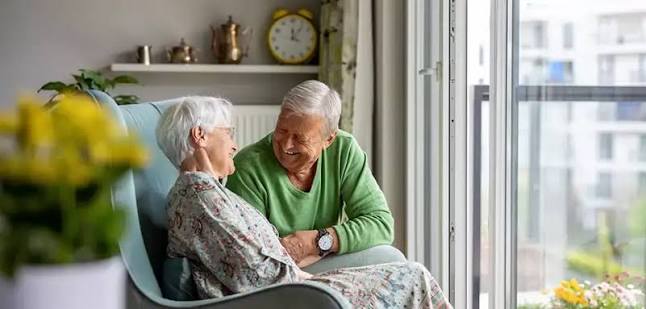
As people grow older, the comfort and familiarity of home become even more important. However, aging can bring changes in balance, vision, strength, and memory that increase the risk of accidents and injuries. Creating a safe home environment helps older adults maintain their independence, reduces the risk of falls, and gives families peace of mind.
Whether you’re caring for a parent, spouse, or another loved one, making a few thoughtful changes can significantly improve safety and quality of life.
Why Home Safety Matters
According to health experts, falls are one of the leading causes of injury among older adults. Many of these accidents occur in and around the home due to slippery floors, poor lighting, cluttered walkways, or difficult-to-reach items. By identifying potential hazards and making simple modifications, families can create a safer living space that supports healthy aging.
1. Reduce Fall Hazards
Preventing falls should be a top priority. Start by removing common obstacles throughout the home.
- Remove loose rugs or secure them with non-slip backing.
- Keep floors free of clutter, cords, and other tripping hazards.
- Arrange furniture to create clear walking paths.
- Clean up spills immediately.
- Encourage the use of non-slip footwear indoors.
Small adjustments can greatly reduce the risk of serious injuries.
2. Improve Lighting Throughout the Home
Good lighting helps aging adults navigate their surroundings safely.
Consider adding:
- Bright LED lighting in frequently used rooms.
- Night lights in bedrooms, hallways, and bathrooms.
- Motion-sensor lights near entrances and stairways.
- Easy-to-reach light switches.
Well-lit spaces can help prevent trips and falls, especially during the evening.
3. Make the Bathroom Safer
Bathrooms are among the most common locations for slips and falls.
Improve bathroom safety by:
- Installing grab bars near the toilet and inside the shower.
- Using non-slip mats inside and outside the bathtub.
- Adding a shower chair or transfer bench if needed.
- Installing a handheld showerhead for easier bathing.
- Considering a raised toilet seat for individuals with limited mobility.
These upgrades can make daily routines safer and more comfortable.
4. Enhance Kitchen Safety
The kitchen should remain functional while minimizing the risk of injury.
Helpful safety measures include:
- Store frequently used items within easy reach.
- Avoid climbing on stools or chairs.
- Use appliances with automatic shut-off features when possible.
- Keep fire extinguishers easily accessible.
- Label medications separately from food items.
A well-organized kitchen encourages independence while reducing potential hazards.
5. Improve Bedroom Accessibility
The bedroom should be a comfortable and safe place to rest.
Consider:
- Keeping a lamp and phone within reach of the bed.
- Installing night lights between the bedroom and bathroom.
- Choosing a bed height that allows easy entry and exit.
- Removing clutter around the bed.
- Keeping emergency contact information nearby.
These simple changes can help prevent nighttime accidents.
6. Install Safety Features Around the Home
Additional home modifications can make everyday activities easier.
Examples include:
- Handrails on both sides of stairways.
- Lever-style door handles and faucets.
- Smoke detectors and carbon monoxide detectors on every level.
- Easy-to-read house numbers for emergency responders.
- Emergency alert systems for individuals living alone.
Technology can also provide extra reassurance by allowing family members to check in remotely when appropriate.
7. Encourage Physical Activity
A safer home is only one part of healthy aging. Staying physically active helps maintain strength, balance, and flexibility, which can lower the risk of falls.
Activities may include:
- Daily walks
- Gentle stretching
- Balance exercises
- Chair exercises
- Physical therapy programs recommended by a healthcare provider
Regular movement supports both physical and emotional well-being.
8. Review Home Safety Regularly
As health needs change, it’s important to reassess the home environment.
Ask questions such as:
- Are new mobility aids needed?
- Is lighting still adequate?
- Are medications organized safely?
- Have any new tripping hazards appeared?
- Does the home still meet the individual’s current needs?
Routine safety checks help ensure the home remains supportive over time.
The Role of Professional Home Care
Family caregivers often do an incredible job, but additional support can make a meaningful difference. Professional home care providers can assist with personal care, medication reminders, mobility support, meal preparation, companionship, and monitoring for changes in health. This extra level of care helps aging adults remain safe and comfortable while continuing to live in the place they know and love.
Conclusion
Creating a safe home environment for aging adults doesn’t always require major renovations. Small improvements—such as better lighting, removing hazards, installing grab bars, and encouraging healthy daily habits—can significantly reduce the risk of accidents and help older adults maintain their independence.
By taking proactive steps today, families can create a home that promotes safety, confidence, and a higher quality of life for years to come.
https://www.nia.nih.gov/health/aging-place/home-safety-tips-older-adults