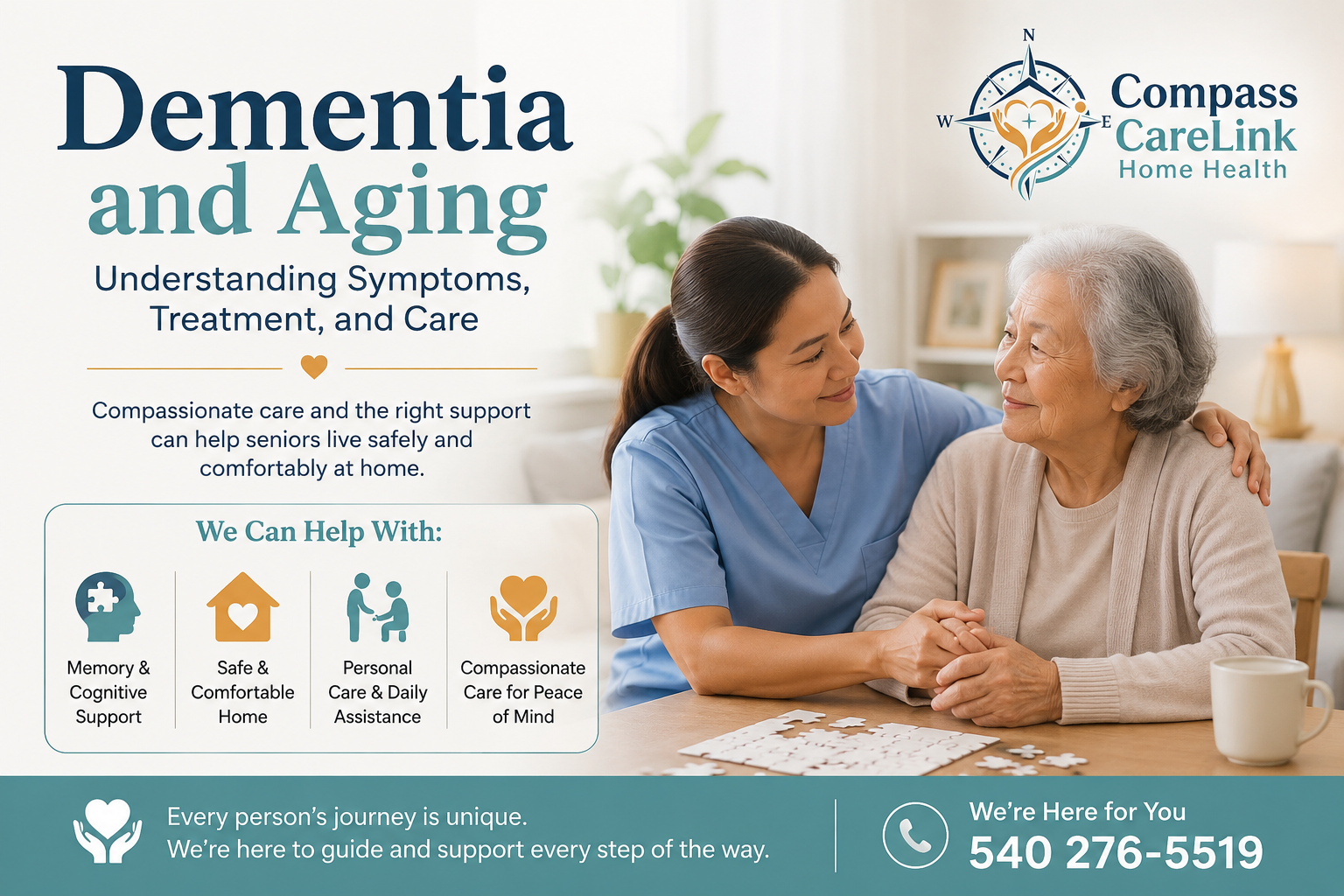
Dementia is a general term for problems with memory, thinking, communication, and daily functioning that can affect older adults. While dementia is not a normal part of aging, the risk of developing certain types of dementia increases as people get older. Understanding the symptoms and available care can help families provide the right support.
What Is Dementia?
Dementia describes a group of symptoms caused by changes or damage to the brain. Alzheimer’s disease is the most common cause of dementia, but other conditions can also cause dementia, including vascular dementia, Lewy body dementia, and frontotemporal dementia.
Dementia can affect more than memory. Over time, a person may experience changes in communication, reasoning, mood, behavior, and the ability to complete everyday activities.
Common Symptoms of Dementia
Symptoms can vary depending on the individual and the underlying cause. Common warning signs may include:
- Increasing forgetfulness or difficulty remembering recent events
- Trouble finding the right words during conversations
- Difficulty managing familiar tasks
- Confusion about time or place
- Problems with planning, organizing, or decision-making
- Changes in mood or personality
- Difficulty recognizing familiar people or surroundings
- Increased need for assistance with everyday activities
Occasional forgetfulness can happen with normal aging. However, persistent changes that interfere with daily life should be discussed with a healthcare professional.
How Is Dementia Diagnosed?
There is no single test that diagnoses every type of dementia. Healthcare professionals may review a person’s medical history, medications, symptoms, and changes in daily functioning. Cognitive assessments, physical and neurological examinations, laboratory tests, and brain imaging may also be used when appropriate.
Early evaluation is important because some conditions that cause memory or thinking problems may be treatable. A professional assessment can also help families understand what type of support may be needed.
Dementia Treatment and Management
Although many forms of dementia currently have no cure, treatment and supportive care can help manage symptoms and improve quality of life.
Depending on the type and stage of dementia, a healthcare provider may recommend medications, management of other health conditions, cognitive and physical activities, lifestyle changes, or other supportive approaches.
Care should also focus on the person’s comfort, safety, independence, and emotional well-being.
The Importance of a Safe Home Environment
For seniors living with dementia, familiar and safe surroundings can make everyday life easier. Families and caregivers can help by:
- Keeping walkways clear to reduce fall risks
- Maintaining consistent daily routines
- Using simple labels or reminders when helpful
- Keeping important items in familiar locations
- Providing adequate lighting
- Monitoring medications as directed
- Offering simple choices rather than overwhelming the person
- Maintaining calm and respectful communication
Small changes can help reduce confusion and create a more supportive environment.
How Home Health Care Can Help
Professional home health services can provide valuable support for seniors and their families. Depending on the individual’s needs and care plan, services may help with health monitoring, personal care, mobility, daily activities, and other aspects of living safely at home.
For families caring for someone with dementia, professional support can also provide peace of mind while helping the individual remain in a familiar environment.
Supporting a Loved One With Dementia
Dementia can be challenging for both the individual and their family. Patience, consistency, compassion, and professional guidance can make a meaningful difference.
If you notice significant changes in a loved one’s memory, behavior, or ability to manage everyday activities, encourage them to speak with a healthcare professional. Early assessment can help families plan appropriate care and support.
CompassCareLink Home Health is committed to helping individuals receive compassionate care and support in the comfort of their homes. With the right care plan and a supportive environment, seniors living with dementia can continue to experience dignity, comfort, and meaningful moments each day.
https://my.clevelandclinic.org/health/diseases/9170-dementia