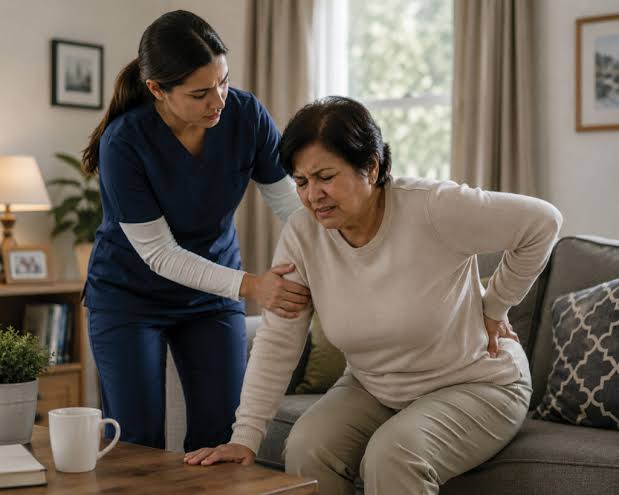
Pain can make everyday activities more difficult for older adults. Simple tasks such as getting dressed, preparing a meal, walking around the house, or getting a good night’s sleep may become challenging when someone is experiencing ongoing discomfort.
While pain should always be properly evaluated and managed with guidance from a healthcare professional, compassionate home care can provide valuable support that helps seniors stay comfortable, safe, and as independent as possible.
Understanding Pain in Older Adults
Pain can have many causes. Seniors may experience discomfort because of arthritis, previous injuries, muscle or joint problems, chronic health conditions, or recovery from surgery or illness.
Pain may also affect more than physical comfort. Persistent discomfort can contribute to poor sleep, reduced activity, changes in mood, social isolation, and difficulty completing everyday activities.
For this reason, families and caregivers should pay attention to changes in a senior’s behavior and routine.
Recognizing Signs of Pain
Some seniors may clearly describe where they hurt, while others may have difficulty communicating their discomfort. Caregivers and family members can watch for changes such as:
- Facial expressions showing discomfort
- Restlessness or unusual agitation
- Difficulty walking or moving
- Avoiding normal activities
- Changes in sleep patterns
- Reduced appetite
- Increased irritability
- Holding or rubbing a particular area of the body
- Becoming less social than usual
Recognizing these signs can help families address concerns and communicate them to the senior’s healthcare provider.
How Compassionate Home Care Can Help
Home care does not replace medical treatment, but it can provide practical and emotional support that makes daily life easier.
Assistance With Daily Activities
Pain can make activities such as bathing, dressing, preparing meals, and moving around the home more difficult. A caregiver can provide appropriate assistance with daily routines while encouraging the senior to remain involved in tasks they can safely perform.
Support With Mobility
Moving safely can be challenging when someone is experiencing pain. Caregivers can provide assistance with appropriate mobility and help reduce unnecessary physical strain while following the individual’s care plan and healthcare provider’s recommendations.
A Comfortable Home Environment
A safe and comfortable environment can make a significant difference. Caregivers can help keep frequently used items accessible, reduce clutter, and assist with household routines that may otherwise place unnecessary demands on a senior.
Companionship and Emotional Support
Pain can sometimes cause seniors to withdraw from family and friends. Compassionate companionship can help reduce feelings of loneliness and provide emotional encouragement throughout the day.
Having someone nearby who listens, communicates with family members, and provides reassurance can help seniors feel supported.
Supporting Healthy Daily Routines
Depending on a senior’s condition and healthcare provider’s recommendations, maintaining appropriate daily routines can be beneficial. This may include regular meals, adequate hydration, appropriate movement, rest, and enjoyable activities.
Caregivers can help seniors maintain these routines while paying attention to changes in comfort, energy, appetite, mobility, or behavior.
The Importance of Following a Care Plan
Pain management should be personalized. Seniors and their families should follow recommendations from their doctors and other healthcare professionals regarding medications, physical therapy, exercise, and other treatments.
Caregivers can support the established care plan by helping with daily routines and communicating noticeable changes to family members or healthcare professionals when appropriate.
Families should never change medication doses or treatment plans without professional medical guidance.
When to Contact a Healthcare Professional
New, severe, persistent, or worsening pain should be discussed with a healthcare professional. Medical attention may also be necessary when pain follows a fall or injury or occurs alongside concerning symptoms such as significant weakness, confusion, difficulty breathing, chest discomfort, or other sudden changes.
Early communication can help ensure that potential problems are evaluated appropriately.
Helping Seniors Live More Comfortably at Home
Pain may create challenges, but compassionate support can help seniors continue participating in everyday life. A dependable caregiver can provide assistance with daily activities, promote a safe environment, offer companionship, and help families stay informed about changes in their loved one’s routine.
At Compasscarelink, we believe every individual deserves compassionate, respectful, and dependable support. Our goal is to help seniors and their families navigate daily challenges while promoting comfort, dignity, safety, and independence at home.
Compassionate care can make a difference—one day, one task, and one person at a time.
https://selectacare.ca/importance-of-compassionate-in-home-care-for-seniors