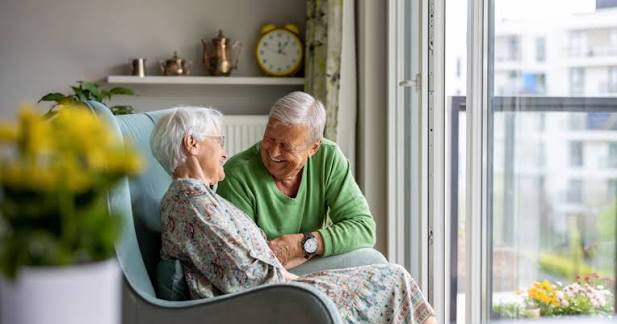
As people grow older, many prefer to remain in the comfort of their own homes rather than move to an assisted living facility or nursing home. This choice, known as aging in place, allows older adults to continue living in familiar surroundings while receiving the care and support they need.
For many seniors, aging in place offers more than convenience—it promotes independence, emotional well-being, and a higher quality of life. With the right support system, families can help their loved ones remain safe, healthy, and comfortable at home.
At Compass CareLink, we believe every senior deserves compassionate care that allows them to live with dignity in the place they know best.
What Does Aging in Place Mean?
Aging in place means living safely and comfortably in one’s own home while maintaining as much independence as possible. Some older adults may only need occasional assistance, while others benefit from skilled home health services, therapy, or nursing care.
With personalized care, seniors can continue enjoying their daily routines without leaving the familiarity of home.
Greater Independence
One of the greatest benefits of aging in place is the ability to maintain independence.
Older adults often feel more confident when they can:
- Follow their own daily routines.
- Make personal decisions.
- Stay involved in household activities.
- Maintain familiar habits and schedules.
Remaining independent can support both emotional well-being and self-confidence.
Comfort in Familiar Surroundings
Home is filled with memories, routines, and personal belongings that provide a sense of security.
Living in familiar surroundings can help seniors:
- Feel more relaxed.
- Reduce feelings of stress or anxiety.
- Stay connected to cherished memories.
- Maintain a sense of normalcy.
This familiar environment can be especially valuable for individuals experiencing memory-related conditions.
Stronger Family Connections
Aging in place allows families to remain actively involved in their loved one’s care.
Whether it’s sharing meals, celebrating milestones, or simply spending time together, staying at home often makes family involvement easier and more meaningful.
These regular interactions can strengthen relationships and reduce feelings of loneliness.
Personalized Care That Meets Individual Needs
Every senior has unique health goals and care requirements. Home health services make it possible to develop personalized care plans that reflect those individual needs.
Depending on the situation, support may include:
- Skilled nursing care.
- Physical therapy.
- Occupational therapy.
- Speech therapy.
- Health monitoring and education.
Personalized care helps seniors receive the right level of support while maintaining their independence.
Better Safety at Home
Simple home modifications and professional support can create a safer living environment.
Helpful safety measures include:
- Removing tripping hazards.
- Installing grab bars in bathrooms.
- Improving lighting throughout the home.
- Organizing frequently used items within easy reach.
These changes help reduce the risk of falls and other accidents while encouraging confidence in daily activities.
Supporting Emotional and Mental Well-Being
Remaining at home often allows seniors to stay connected with neighbors, friends, family members, and community activities they enjoy.
Maintaining familiar relationships and routines can:
- Reduce feelings of isolation.
- Encourage social interaction.
- Support emotional wellness.
- Promote a more positive outlook.
Emotional health plays an important role in overall quality of life.
How Compass CareLink Supports Aging in Place
At Compass CareLink, we are committed to helping seniors live safely and comfortably at home. Our compassionate team works closely with patients, families, and healthcare providers to deliver personalized home health services tailored to each individual’s needs.
Our services include:
- Skilled Nursing
- Physical Therapy
- Occupational Therapy
- Speech Therapy
We focus on promoting independence, improving health outcomes, and providing compassionate care that supports every stage of aging.
Final Thoughts
Aging in place offers many benefits that extend beyond physical health. It allows seniors to remain independent, enjoy familiar surroundings, stay connected with loved ones, and receive personalized care in the comfort of home.
With the right planning and professional support, aging in place can improve quality of life while giving families greater peace of mind.
At Compass CareLink, we’re honored to help seniors age with dignity, confidence, and compassionate care—right where they feel most at home.